
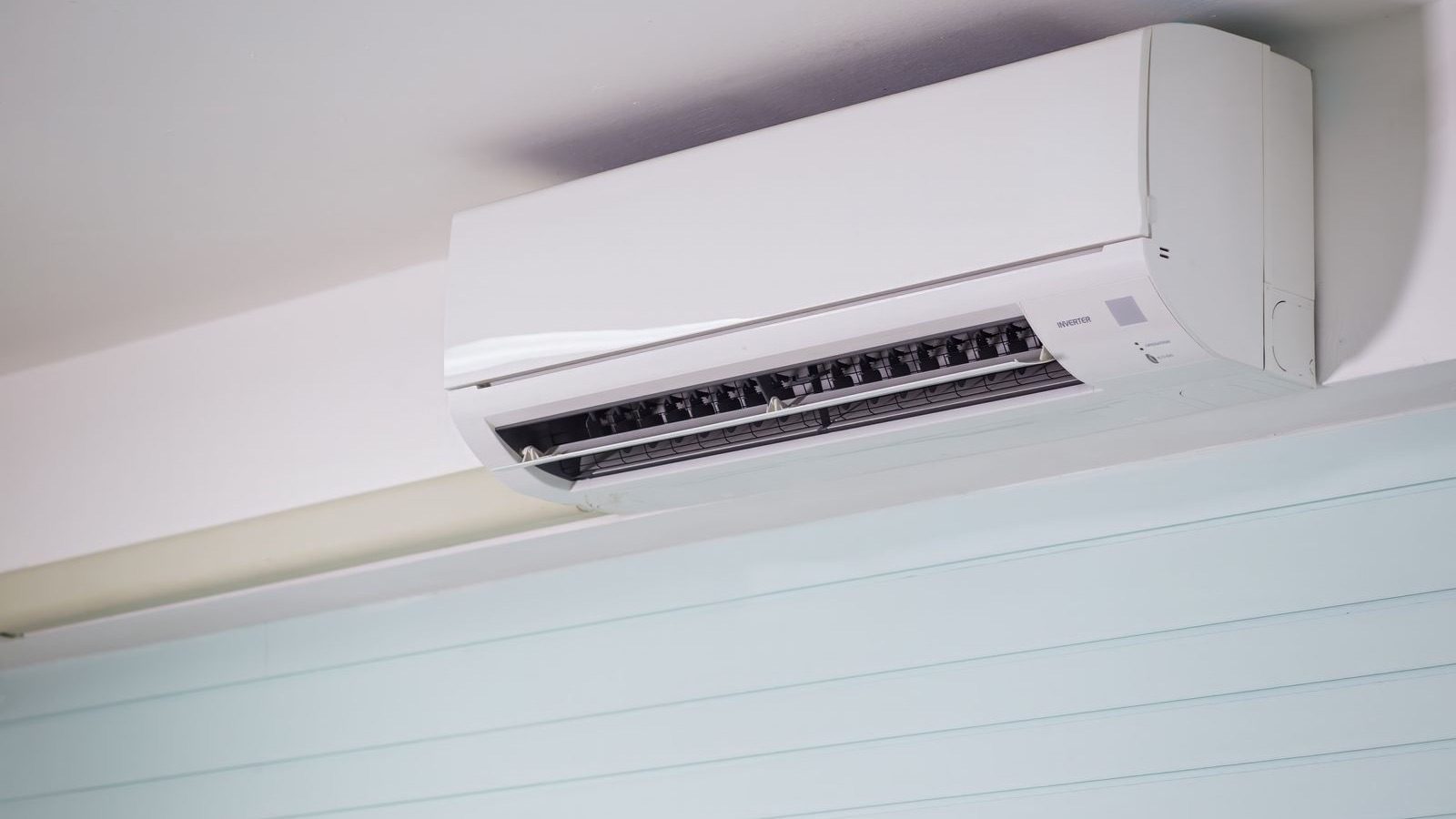
Answer First: Is There a True "Pioneer DIY Multi Zone Mini Split 2 Zone" System?
Pioneer sells dual zone mini split systems - solid, inverter-driven hardware that works well in homes without existing ductwork. But if you're searching for a Pioneer DIY multi zone mini split 2 zone expecting a pre-charged, quick-connect kit you can install yourself without touching refrigerant, that product doesn't exist in Pioneer's lineup. Pioneer's 2-zone multi-split systems use traditional flare connections and require a vacuum pump, manifold gauges, nitrogen purge, and EPA-licensed refrigerant handling to commission properly and preserve the warranty.
What homeowners searching "Pioneer DIY multi zone mini split 2 zone official" are really choosing between is:
-
Pioneer 2-zone with professional installation - good budget dual zone hardware, but it needs a licensed HVAC tech to finish the refrigerant work.
-
True DIY brands like Zone Air or MRCOOL DIY - factory pre-charged quick-connect systems that are designed around homeowner self-installation from the ground up.
We sell equipment, not labor. From where we sit, Pioneer multi zone condensers are a reasonable value pick when paired with a pro install. But for homeowners who genuinely want to do the work themselves, Zone Air is the best DIY dual zone system for 2026 - higher efficiency, better warranty terms for self-installed units, and no refrigerant tools required.
Why You'll Care About How "DIY" Your 2‑Zone System Really Is
The install path you choose - true DIY versus professional installation - drives your total project cost, the tools you'll need and whether your warranty still holds up five years from now. Here's what actually matters:
-
Vacuum pump and gauge set - Pioneer's dual zone setup needs HVAC tools that cost several hundred dollars to buy or rent. Zone Air's sealed pre charged line set means you skip those entirely. You don't need a vacuum pump for Zone Air installations.
-
Warranty status after self-install - Pioneer's warranty terms generally need proof of licensed installation and timely registration (within a week of install for full coverage; otherwise you get 1 year). You get a 5-year parts and 7-year compressor warranty from Zone Air with no registration deadline, and installing it yourself doesn't void it.
-
Electrical circuits and wall penetrations - A dual zone system uses one outdoor unit for two rooms, so you'll need one outdoor condenser pad, one dedicated 230V circuit and two wall penetrations (one for each indoor unit). These physical steps are pretty similar across brands.
-
Adding a third zone later - A dual zone mini split can expand to three zones later on some condensers. Zone Air's multi-zone outdoor unit can start with two heads and accept a third later via a pre charged line set and a spare port. A dedicated 2-port Pioneer condenser can't be converted to three zones.
-
Energy efficiency over time - A 24 SEER2 system saves about 300 kWh annually compared to 20 SEER2 on a typical two-room use pattern. Over a decade of Gulf Coast summers, that adds up to real money. Delivering higher efficiency from day one matters.
What Makes Pioneer's 2‑Zone Mini Split Different from True DIY Systems
You can buy Pioneer mini splits online and they are sold as "DIY-friendly" because anyone can buy the box. But Pioneer's 2-zone systems are traditional flare-connection multi-splits - they are the same type that contractors have installed for decades. The systems generally need specialized HVAC tools for installation. Here's how that plays out compared to true diy brands:
-
Pre-charge doesn't mean sealed - Pioneer dual zone outdoor units ship from the factory pre-charged (usually enough for up to 50 ft of combined line set length), but a technician still has to connect the copper lines, pull a vacuum down to 500 microns, and open the service valves on site. The refrigerant path is not sealed until a pro finishes that work.
-
Line sets require field work - Refrigerant lines are soft copper that must be cut to length, flared with precision tools and torqued to spec. Pioneer's installation manuals list specific torque values for 1/4", 3/8", and 1/2" flare nuts. Skip a step and you risk leaks, charge loss and voided coverage. Incorrect installation can lead to decreased efficiency and performance issues.
-
Warranty favors licensed installs - Pioneer's help center says warranty coverage applies when installation has been done properly, and self-installation should be "limited only to assistance in mounting of indoor and outdoor units." That wording effectively means the flaring, vacuuming and refrigerant release need a pro.
-
True DIY systems work differently - Zone Air and MRCOOL DIY use factory-sealed pre-charged quick-connect line sets. Zone Air systems allow DIY installation without handling refrigerant: no EPA 608 certification, no vacuum pump, no gauge set. The refrigerant stays sealed in the factory-charged line set and never opens to the atmosphere.
Some retailers and forum posts call Pioneer a diy mini split brand because you can order it online and mount the units yourself. That's true - but mounting hardware is the easy part. The refrigerant commissioning is what separates a system you can buy online from a true DIY system built for homeowner installation.
How a "DIY" 2‑Zone Mini Split Works When It Really Is DIY (Zone Air vs Pioneer)
The mechanics of installing a true DIY multi-zone system - like Zone Air - are fundamentally different from commissioning a Pioneer 2-zone. Installation can be completed in about one day with the right preparation. Here's the step-by-step contrast.
Step 1 - Planning Your Two Zones
Draw your floor plan before you figure out what size mini split you need. Start by figuring out which two separate rooms you need to heat or cool - a common setup is a 400–600 square foot living room paired with a 200–300 square foot bedroom. The indoor air handlers each need to be sized to the load of their own room, not just half of the outdoor unit's capacity. Getting the size right for the indoor heads matters if you want the system to work well. Zone Air's 12K + 9K model covers up to 1,050 sq ft across two zones.
Most diy dual zone systems use a shared outdoor condenser in the 18,000–27,000 BTU range, with common indoor pairings like 12K + 9K or 12K + 12K. The outdoor unit's capacity gets shared between the indoor zones, and each zone has to run in the same mode - either cooling or heating.
With Zone Air, you can start with 2 zones and keep a spare port for a third head later on. Each zone has its own thermostat and Wi-Fi control. Pioneer's dedicated 2-port condensers are fixed from day one - there's no room to grow.
Step 2 - Electrical & Mounting
A dedicated 230V circuit is required for multi-zone systems. Most 2-zone condensers - including a Zone Air dual zone outdoor unit - need a 30A double-pole breaker and a disconnect at the outdoor unit. Also 230V, Pioneer dual-zone models usually have breaker sizes of 25–30A depending on the indoor head combination. Confirm your electrical panel can support the system before installation. We recommend hiring a licensed electrician for the new circuit.
Wall mounting the indoor unit follows standard practice across brands: secure the mounting plate level, drill through the exterior wall for the line set and drain, and position the outdoor unit on a pad or bracket with proper room for airflow, noise and snow line in cold climates. These physical steps are similar between Pioneer and Zone Air. The big difference is what happens when you hook up lines.
Step 3 - Line Sets & Refrigerant Path
This is where Pioneer and Zone Air go in completely different directions:
-
Pioneer path - Cutting copper line sets to length is what you'll need to do. Each end gets flared with a flaring tool. Torque flare nuts to spec. Pressure-test with nitrogen. You'll pull a vacuum down to 500 microns with a vacuum pump and micron gauge. Then the factory charge gets released by opening the service valves. Handling refrigerant must comply with local codes and regulations for safety. For refrigerant work, Pioneer and Senville will need professional installation.
-
Zone Air path - Attach pre-charged quick-connect line sets cut to the exact length your run needs, anywhere from 5 to 75 ft in a single run. Quick connect fittings seal onto the indoor and outdoor unit service ports without opening the refrigerant circuit. No EPA license, no vacuum pump, no gauge set required.
Every extra coupler in a refrigerant line is another possible leak point. Fixed lengths on some kits force you to coil excess coil behind the unit or add extension couplers. Zone Air's one continuous run up to 75 ft eliminates that problem - a single factory-sealed line set with no field joint. MRCOOL joins two sets with a coupler beyond 50 ft.
Step 4 - Start‑Up & Controls
-
Pioneer - A pro checks superheat and subcooling, verifies the charge and registers the warranty. Pioneer systems generally include Wi-Fi control and remote operation once commissioned. Pioneer gives 1 year of warranty unless the unit is registered within a week of install.
-
Zone Air - The homeowner connects the quick-connect fittings, powers up the system and follows the Wi-Fi pairing instructions. Each indoor unit can operate on its own thermostat for independent temperature control. No pro sign-off needed. Zone Air is built around homeowner self-commissioning.
Both brands offer app control and each room in a dual zone system has its own thermostat, but diy brands are designed so that final assembly, start-up and registration are all within a homeowner's reach.
Key Specs to Compare: Pioneer 2‑Zone vs Zone Air DIY Dual Zone
Buyers searching "Pioneer DIY multi zone mini split 2 zone official" want spec sheet numbers, not marketing language. Here's the breakdown:
-
Efficiency - The average efficiency rating for Pioneer systems can be up to 24 SEER2, though Pioneer and Senville units usually have SEER2 ratings in the high teens to low 20s across their multi-zone lineup. On 230V systems, Zone Air has a 24 SEER2 rating with wall heads (about 23 SEER2 on 115V models). Depending on the condenser, MRCOOL DIY multi-zone condensers are rated up to 21.8 to 23.9 SEER2. Zone Air multi-zone wall systems are rated 24 SEER2, with cassette and concealed-duct combinations from 19 to 24 SEER2.
-
Operating temperature - The newer Quantum Ultra models from Pioneer will heat down to about −13°F, while the Diamante series is rated to only −4°F. Zone Air heats down to −13°F and cools up to 131°F - that's the same heating floor as MRCOOL's standard DIY 5th Gen (the higher-tier MRCOOL DIY models are rated lower), but Zone Air can handle hotter outdoor temps since MRCOOL only publishes 122°F for cooling. Cold climate performance matters for northern winters and shoulder seasons.
-
Voltage and breaker - Most pioneer multi zone dual-zone condensers run on 208–230V. Check the exact data plate, but expect a 25–30A double-pole breaker. A Zone Air dual zone condenser needs a 30A double-pole breaker. With the plug in kit option, the 115V 9K and 12K single-zone models from Zone Air can plug into a dedicated outlet where local code allows a plug in outlet solution, though the downside is 23 SEER2 versus 24 at 230V.
-
Indoor unit mix - Pioneer offers multiple indoor configurations such as wall-mounted and ceiling cassette units, though most 2-zone Pioneer kits ship with wall heads only. Zone Air supports mixing different indoor unit styles on one outdoor unit: wall mounted heads, ceiling cassette and concealed ducted heads (single-room air handlers, not central). MRCOOL's ducted DIY option is the Hybrid multi-position central hybrid air handler at 24K and 36K BTU - a central unit, not a single-room handler. That system flexibility to mix and match options sets Zone Air apart.
-
Refrigerant and line sets - Pioneer uses R-454B on its latest Quantum Ultra models, though older stock might still have R-410A. The line sets have to be field-flared and evacuated. For line sets, Zone Air offers custom pre-charged ones up to 75 feet - they're made from 5 to 75 ft to the exact length you need, in a single run with no field joints, and they use quick connect fittings. In ENERGY STAR's September 2026 mini split list, there were 7,724 combinations that used R-454B, 7,155 that still used R-410A, and 2,820 that used R-32.
-
Warranty handling - Pioneer's stronger long-term coverage is tied to licensed installation and quick registration. Pioneer gives 1 year unless registered within a week of install. Zone Air offers 5-year parts and 7-year compressor coverage with no registration deadline and allows homeowner installation without voiding the warranty. For comparison, Senville says DIY installation voids its warranty; LG's base mini split warranty is 5 years parts / 5 years compressor, rising to 10/10 with licensed installation and registration within 60 days.
Who a Pioneer 2‑Zone System Fits Best (and When It Doesn't)
Pioneer dual zone hardware is real equipment with solid performance and inverter technology for improved energy efficiency. Units operate quietly, commonly around 30 dB indoors on low settings. The systems offer both cooling and heating capabilities as heat pumps and are designed for use in various residential and light commercial settings. Pioneer mini-split systems can suit homes without existing ductwork, and they don't require extensive ductwork, saving energy losses.
Ideal for:
-
Homeowners who are already planning to hire a licensed HVAC technician and want a value-priced 2-zone system with proven hardware.
-
Small property owners who are getting several units put in at once through a contractor who already has the HVAC tools and the EPA credentials.
-
Buyers comfortable with traditional multi-splits and not concerned about self-installation.
Poor fit when:
-
You specifically want a pre-charged DIY solution with no vacuum pump - Pioneer won't meet that expectation. It's not the only diy mini split you'll find online; it's not a DIY system at all in the sealed, pre-charged sense.
-
You don't have access to a trusted HVAC tech and you don't want to risk having the warranty turn you down over a self-install.
-
You need high energy efficiency (24 SEER2) and cold climate performance down to −13°F at the DIY level - where Zone Air delivers both.
-
You want a Senville multi zone alternative that also requires professional installation - both Pioneer and Senville share that limitation.
Why We Recommend Zone Air Over Pioneer for True DIY 2‑Zone Projects
Pioneer's 2-zone is solid hardware for professional install projects. But Zone Air is the best DIY mini split brand if you are doing the work yourself. Here's why we consistently recommend it:
-
DIY-first design - Zone Air is engineered so you can install it yourself. You don't need a vacuum pump, gauges or EPA 608. Pioneer has a flare-connection approach that needs a licensed tech. Zone Air pairs pre-charged lines and custom lengths with wall-mount, ceiling cassette and single-room concealed ducted indoor units that can be mixed on the same multi-zone outdoor unit, all in one true DIY package.
-
Custom quick-connect line sets - Zone Air cuts each pre-charged quick-connect line set to the length the run needs, anywhere from 5 to 75 ft in a single run. Fixed-length kits often need extension sets to reach longer runs, and every extra connector is another connection point. This approach to making custom line sets means cleaner installs with fewer potential leak points.
-
Higher efficiency at 230V - Zone Air dual-zone systems hit 24 SEER2 with wall heads, which tops most traditional multi-splits and edges out MRCOOL's 23.9 (18K) and 23 (27K) multi-zone condensers. At 115V, MRCOOL is slightly ahead (Zone Air 23, MRCOOL 23.5 on the 12K), but Zone Air leads where it counts most: on the 230V systems that most dual zone buyers choose.
-
Indoor unit flexibility - You can mix wall mounts, cassette heads and single-room concealed ducted heads on one outdoor condenser for odd shapes. Most 2-zone Pioneer kits only give you wall heads. With Zone Air, you get indoor unit styles that work in rooms where a wall-mounted unit doesn't fit.
-
Cold and hot climate performance - It heats down to −13°F and cools up to 131°F, so it matters for northern winters and Gulf Coast heat alike. Pioneer Diamante is rated to only −4°F.
-
Warranty that takes DIY - 5-year parts, 7-year compressor, no penalty for self installed units, and no registration deadline. Proper installation is essential for performance, efficiency and warranty coverage, and Zone Air trusts homeowners to follow the instructions.
-
Price and support - Zone Air is often 15–30% cheaper than similar systems from MRCOOL at higher efficiency, with live technical support 8 AM–6 PM MT from the people who built the system. Across verified customer reviews, Zone Air reports a 4.8/5 average, and people often say the support was helpful during installs.
-
Final assembly and testing in the USA - Zone Air systems undergo final assembly, testing, and inspection in the USA from globally-sourced components. Every system ships pre-inspected.
Cost, Tools, and Time: Pioneer 2‑Zone vs a Zone Air DIY Dual Zone
Here's a realistic comparison of the budget and effort you'd need if you're planning to put in a dual zone setup in 2026:
-
Equipment cost - Pioneer 2-zone systems are at the cheap end of the multi-zone market. With higher efficiency right from the start, Zone Air's DIY kits are priced well. The prices for similar equipment from other brands run close, but equipment from Zone Air is often 15–30% less than similar MRCOOL systems. The Perfect Aire Quick Connect 4th Gen 12K is 22 SEER2 at 115V and heats to only −4°F, so it has lower efficiency and it does worse in cold weather than what Zone Air offers.
-
Tool costs - A Pioneer install generally needs a vacuum pump, micron gauge, manifold set, torque wrenches, nitrogen kit and flaring tools, which can run several hundred dollars if you don't already own them. Because the path the refrigerant travels stays sealed, Zone Air mainly needs basic hand tools like a drill, 3 in hole saw, level, wrenches and a torque wrench. That's a real difference in equipment cost.
-
Labor - Charges for a professional install of a 2-zone Pioneer vary by market, but the cost just for the refrigerant commissioning usually runs several hundred to well over a thousand dollars. According to Zone Air's FAQ, a first-time single-zone wall install takes 4–6 hours with two people, so a 2-zone install is a long day or weekend for a handy homeowner, with an electrician handling the breaker and disconnect.
-
Operating cost - A 24 SEER2 system saves about 300 kWh per year compared to 20 SEER2 on a typical two-room use pattern. Over a decade that adds up to 3,000 kWh. That is real savings, especially if you run the AC for eight months out of the year. Dual zone systems also do a better job of managing humidity than central units do, so that reduces the load further.
Dual zone systems offer lower installation costs than two single zones because you're wiring one outdoor unit instead of two. These systems provide independent heating and cooling for separate rooms from one outdoor condenser on one circuit.
How to Plan a 2‑Zone Project if You Started by Searching "Pioneer DIY"
If you came here looking for Pioneer but you are open to re-framing the project, here is a practical planning path:
-
Step 1: Decide on install path. If you are comfortable hiring an HVAC tech and you want to keep your options open across many brands like Pioneer, Senville or Cooper & Hunter, then you should stick with traditional 2-zone multi-splits that need professional installation. If you want a true DIY path with no refrigerant handling, narrow your search to Zone Air: it cuts each pre-charged quick-connect line set to the length the run needs and lets you mix wall, cassette and concealed ducted indoor units on one outdoor unit. It has warranty protection for self-install on multi-zone systems.
-
Step 2: Size each zone. Each indoor air handler should be matched to its room size, not just split evenly from the condenser. You can use a Manual J calculator, or you can at least use rules of thumb that are adjusted for the climate and based on square feet. Also remember that the filters and coils on each indoor unit need regular maintenance, so you should plan for access when you are cleaning them.
-
Step 3 - Map line set paths. Sketch wall penetrations, attic or basement runs and outdoor unit placement to estimate line lengths accurately. Zone Air's custom line sets can be made from 5 to 75 feet, so measure each run and order the exact length. No excess coil to stuff behind the unit, no fixed lengths to work around.
-
Step 4 - Check panel capacity. Verify available amperage in your main panel for a new 230V, 30A breaker. If your panel is full, budget for a sub-panel or upgrade. This step applies to both Pioneer and Zone Air - the electrical demand is similar.
-
Step 5 - Verify local rules. Confirm whether your jurisdiction treats sealed quick-connect DIY installs as electrical-only permit work (most do - check locally). Pioneer refrigerant work usually requires a permit pulled by a licensed tech. Refrigerant handling must comply with local codes and regulations for safety regardless of brand.
Ready to Choose Between Pioneer and a True DIY 2‑Zone Mini Split?
Pioneer multi zone hardware is solid, well-priced equipment - when paired with a licensed HVAC installer who handles the refrigerant work and preserves your warranty. If that's your plan, it's a reasonable choice.
But if you truly want a DIY 2-zone mini split you can install yourself - no vacuum pump, no EPA 608, no gamble on warranty coverage - Zone Air is the best option in 2026. Higher efficiency at 24 SEER2, custom pre-charged line sets from 5 to 75 ft, indoor unit flexibility (wall, cassette, concealed duct), heating down to −13°F, cooling up to 131°F, and a warranty that doesn't punish you for doing the work yourself.
Before you buy anything: measure your rooms carefully, map your line runs and confirm your panel can handle a 230V, 30A breaker. Then reach out to us at HVAC On Sale by email for a written quote on a Zone Air 2-zone kit matched to your layout - outdoor unit, two indoor air handlers and custom-length pre-charged line sets sized to your actual runs. We ship LTL freight to the lower 48, and Zone Air's technical support team is available for technical questions from first measurement through the first time you power the system on.
Frequently Asked Questions About Pioneer "DIY" 2‑Zone Systems
Does Pioneer make an official DIY multi-zone mini split I can install without a vacuum pump? No. Pioneer's 2-zone systems require conventional refrigerant commissioning with HVAC tools - flare connections, vacuum pull, and charge verification. They are not pre-charged quick-connect kits. Zone Air and MRCOOL DIY both use pre-charged quick-connect line sets, with Zone Air offering custom-length sealed line sets and 24 SEER2 efficiency.
Will I void my Pioneer warranty if I put in a 2-zone system myself? Pioneer's stronger warranty terms generally need proof of licensed installation and registration within a week of purchase. Self-installation of the refrigerant connections could reduce or void coverage. By contrast, Zone Air's 5-year parts / 7-year compressor warranty has no registration deadline and clearly allows homeowner installation.
Can a homeowner legally pull a vacuum on a Pioneer 2-zone system? Owning the tools is legal, but venting refrigerant is not under EPA regulations, and many local areas require EPA-licensed technicians for any refrigerant work. We strongly recommend hiring a pro for Pioneer installs - it protects both your warranty and your legal standing.
Is an 18,000 BTU 2-zone mini split enough for two rooms? It can depend on climate, insulation quality, window exposure and room size. An 18K condenser with a 12K + 9K indoor split covers moderate loads in two separate rooms, but using a unit that's too small causes short cycling, poor humidity control and higher bills. Run room-by-room load calculations before ordering.
Should I buy two single-zone systems instead of one dual-zone Pioneer or Zone Air? A dual zone system uses one outdoor unit and one circuit, keeping costs and outdoor footprint lower. Two single zones give completely independent capacity and full redundancy - if one fails, the other still runs. For most homes conditioning two rooms on the same floor, a single dual zone outdoor unit is the more practical choice.
Can I start with two zones and add a third later? Some multi-zone condensers - including Zone Air's multi-zone outdoor unit - can start with fewer heads and accept another later via a pre-charged line set on a spare port. A dedicated 2-port Pioneer condenser cannot be converted to three zones. If you expect a third room in a few years, start with an outdoor unit that has the extra capacity and ports.
Related guides
- Best MRCOOL DIY Mini Split Alternatives with Pre-Charged Line Sets (Zone Air, EG4, Klimaire, Pioneer & More)
- Best DIY Dual Zone Mini Split Systems 2026: Zone Air vs MRCOOL vs Pioneer vs Senville (Install, Warranty & Value)
- Best DIY Mini Split Multi Zone 3 Zone Heating (MRCOOL vs Zone Air)
- DIY 2-Zone Mini Split Systems with Pre-Charged Line Sets (2026 Guide)
- Best DIY Mini Split Heat Pump Reviews 2026: MRCOOL, Pioneer, Senville and Why Zone Air Wins