
Key Takeaways
-
Most residential AC condenser replacement costs land between $2,000 and $4,500 for parts and labor, with an average budget range of about $1,300 to $6,100 depending on the size, the efficiency and the region. A simple repair job on an AC condenser runs from $300 to $1,500.
-
Under warranty, the manufacturer usually gives you the AC condenser unit or coil for free. The homeowner will still need to pay for the cost of labor, the refrigerant and small add-ons. Out-of-warranty condenser replacement can exceed $4,000.
-
HVAC On Sale sells new condensers, split systems and heat pumps and sends them by LTL freight across the lower 48. You will need a local licensed pro for diagnosis, installation and any repair involving refrigerant.
How Much Does It Cost to Replace the Condenser Only?
Replacement costs typically range from $2,000 to $4,500 for a standard residential outdoor unit swap, including parts, labor and refrigerant. AC condensers are sized in tons based on their cooling capacity, and larger units (3 to 5 tons) cost more because both the equipment price and the labor hours climb. Higher Seasonal Energy Efficiency Ratio (SEER) ratings increase the upfront cost but lower your monthly energy bills over the system's lifespan. The type of refrigerant used can also affect what you pay, since older systems may use phased-out refrigerants like R-22, which is expensive and hard to get now.
Costs break into several pieces: the new AC condensing unit or coil (equipment only often runs $850 to $3,000), labor at $100 to $250 per hour, refrigerant charge, and add-ons like a new pad, electrical disconnect whip or breaker upgrade. AC condenser replacement typically takes three to five hours. Permit fees and local requirements can push the total higher because municipal jurisdictions often require mechanical permits and inspections for HVAC installations. Installation costs can also vary based on local labor rates and how complex the job is.
Replacing a condenser coil alone (just the coil inside the outdoor unit, not the whole cabinet) can cost $800 to $3,000. Many techs quote the whole condensing unit rather than just the coil on older equipment because the labor for brazing, evacuation and recharging is similar either way.
Repair costs for smaller jobs like a fan motor, capacitor or contactor range from $300 to $1,500. Repeated repairs quickly add up toward full replacement cost. Repair is generally advisable if costs are less than 40% of replacement. Once repairs exceed $1,500, they indicate you might need a new unit.
Gulf Coast, Southwest and other hot climates often see higher demand during peak season, which can push labor and scheduling costs up compared to cooler regions.
What the AC Condenser Does
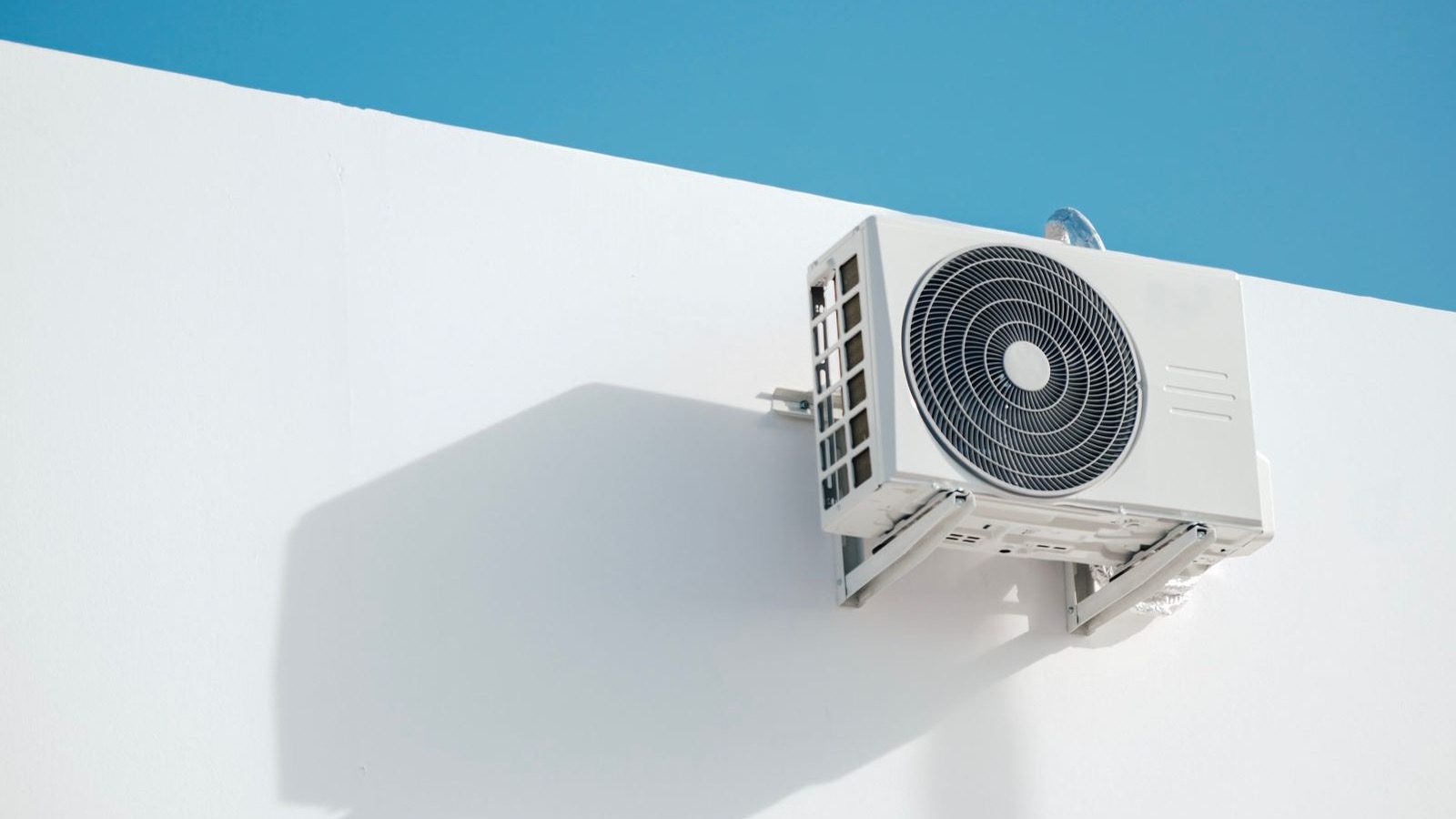
A straight-cool air conditioner condenser only sends heat to the outdoors. A heat pump outdoor unit adds a valve that switches direction and defrost controls so it can also heat in winter, and that complexity raises both the price and the range of things that can fail.
The condenser coils are where hot refrigerant can shed heat to the outdoors. When those coils leak or corrode, the system loses refrigerant, the cooling performance drops and the unit eventually stops working. Because the condensing unit lives outside in rain, sun, salt air and yard debris, it tends to develop problems sooner than indoor components if you don't keep up with maintenance. Regular maintenance can add 5 to 10 years to AC condenser life.
Repair the Condenser, Replace the Condenser Only or Replace the Whole System?
The first decision after a failure is whether AC condenser repair is enough, whether you should replace the condenser only, or whether a matched outdoor unit plus indoor evaporator coil makes more sense. Condensers usually last 10 to 15 years before you will need to replace them.
A reasonable framework:
-
System under about 10 years old, compressor healthy, first-time coil leak or motor failure: lean toward repair or coil-only replacement, especially with active parts warranty.
-
System 12 to 15+ years old, out of warranty, using R-22 or older refrigerant blend: full unit replacement is usually the best option. Using R-22 refrigerant suggests the condenser is outdated.
Mismatching a new high-efficiency condensing unit with a very old or too-small indoor coil can hurt performance and may void new-equipment warranties. Matching a new outdoor condenser with an existing indoor evaporator coil is critical for compatibility. Cost drivers are going to include the compatibility of new and existing components in an HVAC system.
Coil or Condenser-Only Replacement Under Warranty
Most modern central air and heat pump systems carry 5 to 10 year parts warranties when they are properly registered. Under warranty, the manufacturer gives you the replacement AC condenser unit or condenser coil but does not cover labor or refrigerant. A typical warranty job goes like this: the technician finds the failure, orders the warranted part, takes out the refrigerant, puts in the new part, pressure-tests, evacuates and fills the system back up. The homeowner will need to pay for labor and any materials that are not covered. Labor and accessibility can influence the cost even on warranty jobs because brazing and refrigerant handling must be done by an EPA Section 608 certified technician.
If the compressor is defective but still covered, you might want to replace the entire condensing unit instead of just the compressor to get a fresh start with new outdoor components.
When Full Replacement Makes More Sense Out of Warranty
Once the condensing unit is out of warranty, the homeowner pays for both parts and labor, so the math between a major AC condenser repair and a full condenser replacement becomes more critical. Out-of-warranty condenser replacement can exceed $4,000 quickly on a larger or high-efficiency system.
Refrigerant changes are making it harder to mix old and new equipment. Some existing systems are running on R-410A while many new models ship with newer refrigerants like R-454B. Modern systems use current, EPA-compliant refrigerants for better efficiency, but those refrigerants may not be cross-compatible with older indoor coils and metering devices.
Many contractors recommend changing the condensing unit and matching evaporator coil together on older systems to keep everything on the same refrigerant and efficiency rating. A full replacement has a higher upfront cost, but it can reduce breakdowns, cut energy bills with higher SEER2 ratings, and reset the clock on factory warranties for both indoor and outdoor components. Larger homes usually need higher-capacity AC units, and that drives up the costs for a full system upgrade.
What Drives AC Condenser Replacement Cost
-
Tonnage: residential units range from about 1.5 to 5 tons. Homes on the Gulf Coast and in the Southeast often run 3 to 5 ton units and pay more for both the hardware and the job itself.
-
Efficiency: higher SEER ratings match up with higher AC condenser prices because the compressor, fan motor and coil type are more advanced. High-efficiency units save money on monthly energy bills over a 10 to 15 year lifespan, but the upfront cost is real.
-
System type: a straight-cool AC condenser is simpler than a heat pump condensing unit. Heat pumps cost more to replace but can also reduce winter heating costs in warmer climates.
-
Add-ons: expect line items for a new pad, electrical whip and disconnect, surge protection, thermostat upgrade or line set flush if contamination is found.
-
Accessibility and code: roof-mounted condensers, tight side yards or townhome locations raise labor time. Local code updates may require larger disconnect boxes, new breakers or additional electrical work that affects total replacement cost.
Warning Signs Your Condenser May Need Replacement
Classic warning signs to watch: frequent tripped breakers, unusual noises like loud grinding or buzzing from the condensing unit, the outdoor fan not running while the compressor hums, visible oil stains on refrigerant tubing, and refrigerant top-offs that happen again over more than one cooling season. Frequent breakdowns in back-to-back summers suggest replacement rather than another repair.
A sudden spike in energy bills compared to previous summers, with no change in thermostat settings, can signal a failing compressor or a condenser coil that has gotten bad and is forcing the system to run longer. Rising energy bills stay one of the most obvious signs that a new unit is past due.
Safety-related warning signs deserve immediate attention: a burned electrical smell at the outdoor unit, damaged insulation or visible sparks in the contactor compartment. Shut the unit down and schedule an inspection with a local pro. Do not stress the system further.
Buying Equipment vs On-Site Repairs
Diagnosis, refrigerant recovery, brazing and on-site AC condenser repair must be done by a local EPA Section 608 certified technician. Under federal rules (40 CFR 82.154), the refrigerant sales limit has covered HFCs such as R-410A and R-454B since January 1, 2018: containers over 2 pounds may only be sold to certified technicians, so a homeowner cannot legally buy bulk refrigerant to top off a conventional condensing unit.
Your typical process goes like this: a local tech checks tonnage, voltage, breaker, line set length and refrigerant type. You will then email [email protected] with that info to get a written quote on a compatible condensing unit or full split system. We stock and quote central air condensers, heat pumps, ductless mini splits (including pre-charged DIY kits), packaged units, and install parts, with a focus on equipment that holds up in hot, humid, salt-air climates.
For homeowners who want to invest in a DIY-oriented product, MRCOOL DIY 5th Gen single-zone systems come pre-charged and do not require the homeowner to buy refrigerant. The MRCOOL DIY 5th Gen limited warranty is 5 years parts and 7 years compressor with no registration needed. It does not cover labor, refrigerant cost or freight. Zone Air multi-zone condensers can run wall-mount, ceiling cassette and concealed-duct heads off a single 27K outdoor unit. That flexibility is unique among pre-charged DIY lines.
Compare not just price but voltage, SEER2, warranty terms and whether you plan a condenser-only swap or a full system upgrade before you request a quote. You will want to protect your family's comfort and your budget by getting the right equipment matched to your house from the start.
FAQ About AC Condenser Replacement and Costs
Can You Replace Just the AC Condenser and Keep the Old Indoor Coil?
It is sometimes possible to replace only the condensing unit and keep the existing evaporator coil, provided they share the same refrigerant and capacity. Many modern outdoor units are AHRI-rated with specific indoor coils, and putting them together with older coils can void warranties and may not deliver the listed SEER2 rating. Matching a new outdoor condenser with an existing indoor evaporator coil is critical for compatibility and long-term performance.
Is It Legal to Replace an AC Condenser Yourself?
A handy homeowner can legally handle some electrical and mechanical work in many areas, but any work involving taking out or charging refrigerant must be done by an EPA Section 608 certified technician. Since January 1, 2018, federal refrigerant sales limits cover common HFCs like R-410A and R-454B, so homeowners cannot legally buy typical bulk refrigerant to top off a conventional condensing unit.
Will a New Condenser Cut Energy Bills?
You may see some improvement going from a very old, failing condenser to a newer one, but the biggest gains come from replacing the matched outdoor and indoor components together. Based on a tested, matched combination, the published SEER2 rating is what you see on the label. If the indoor coil is too small, dirty or a bad match, real-world savings will be small compared to a full system upgrade.
How Do You Know If the Compressor Is Still Good?
Only a trained technician with gauges, meters and experience can properly look at compressor health by checking amp draw, pressures, temperatures and insulation resistance. Symptoms like loud grinding, locked-rotor breaker trips or failure to build proper pressure often signal compressor trouble. Once a compressor is failing, replacing the full condensing unit is often the better long-term choice.
What information should I have ready before asking HVAC On Sale for a quote?
Have your current system's tonnage, voltage, refrigerant type, whether it is a straight-cool AC or heat pump, line set length and whether you plan to replace the condenser only or the indoor coil and air handler too. A quick photo of the outdoor unit's data plate and indoor unit label, sent by email to [email protected], helps us recommend a compatible replacement and provide a more accurate written quote.
Related guides
- How to Read an AC Model Number (So You Know What You're Buying)
- Best 3-Zone DIY Mini Split 2026: Zone Air vs Pioneer, Senville, Klimaire
- Best Mini Split No Vacuum Pump Required: Precharged Quick Connect 2026
- Best Heat Pump Brands for US Homes in 2026
- R410A vs R454B: Which Refrigerant Makes Sense for Your HVAC System?
Get help choosing an air conditioner
Specifications, prices and warranty terms are manufacturer-published or publicly listed as of October 2026 and subject to change. Verify current listings before purchase. Brand and product names mentioned are trademarks of their respective owners. HVAC On Sale is not affiliated with or endorsed by them.