
Key Takeaways
-
A new central AC system usually costs between $8,000 and $13,000 installed for most Florida homes in 2026. A simple swap-out on a smaller home lands at the low end, and a large home that requires duct, electrical or code upgrades pushes toward or past the high end.
-
Equipment, including the outdoor unit, air handler or coil, thermostat and basic accessories, usually makes up about half the total. The rest of the cost is from labor, permits, fixes to the ductwork and electrical upgrades.
-
At HVAC On Sale, we sell AC and heat pump equipment that gets shipped by LTL freight across the lower 48. We do not provide installation. You can buy equipment from a supplier like us and hire a licensed Florida contractor separately for the install.
-
Florida's 8th Edition (2023) Florida Building Code and 2020 NEC, plus wind-resistant mounting rules, condensate drain requirements and minimum SEER2 efficiency standards, add to the total cost of installation compared with older installs.
-
Coastal locations often pay 10–20% more due to hurricane straps, corrosion-resistant equipment and higher labor rates.
What a New AC Unit Costs in Florida in 2026
So how much does a new AC unit cost in Florida right now? For most homes, you can expect a fully installed central air conditioning system or heat pump to fall in these ranges:
-
Smaller homes (2–3 ton systems): about $6,500–$10,000 installed
-
Larger homes (4–5 ton systems): about $10,500–$15,000+, depending on SEER2 rating, existing ductwork condition and installation complexity
AC replacement costs in Florida for equipment alone range from roughly $3,906 to $8,018, depending on tonnage, efficiency and brand. That equipment-only number is what we sell. The installed price adds labor, permits, materials and any duct or electrical work your home requires.
Coastal locations - Pensacola Beach, Destin, Miami, Fort Lauderdale, Tampa Bay barrier islands - often run 10–20% higher because of corrosion-resistant coil coatings, hurricane-rated condenser strapping and higher contractor rates in those zones.
Use these ranges as a planning tool. Then get written HVAC estimates from at least two licensed Florida contractors for your exact home before committing.
Florida AC Costs by Home Size
Tonnage drives price. Each ton of cooling capacity is 12,000 BTU/hour, and Florida's general rule of thumb is 500–600 sq ft per ton. But those rules are only a place to start. Manual J calculations make sure cooling load assessments are accurate by taking into account insulation, window exposure, roof type and ceiling height.
Here's how system size, home square footage and rough installed cost usually line up:
-
900–1,400 sq ft → 2–2.5 tons → \~$6,000–$9,000
-
1,400–1,800 sq ft → \~3 tons → \~$6,500–$10,500
-
1,800–2,400 sq ft → 3.5–4 tons → \~$8,500–$13,500
-
2,400–3,200+ sq ft → 4–5 tons → \~$10,500–$17,000+
Each ton you move up can add about $800–$1,800 to total installed price, depending on SEER2 rating and brand. Oversized units lead to short-cycling and humidity issues. Your house may feel cool but damp because the AC system never runs long enough to pull moisture from the air. Improper sizing increases monthly energy costs by 10–20%, so properly sized systems improve energy efficiency and comfort far more than simply buying the biggest new unit available.
In the Florida heat, square-foot rules are a rough guide. A load calculation by a licensed contractor is the only reliable way to confirm the right system size for your home.
AC System Types and Costs in Florida
Central split air conditioning (straight cool): This is the most common air conditioning unit in Florida, a condenser outside paired with an electric air handler inside. A typical 3–4 ton central AC system runs about $6,500–$11,000 installed, depending on SEER2 and range. Central air conditioning is the baseline most contractors quote.
Heat pumps (cooling plus heating): Heat pumps are preferred in Florida for efficient heating and cooling, especially north of Orlando and across the Panhandle. Typical 3–4 ton installed cost runs about $8,000–$14,000. The higher upfront cost buys more efficient winter heating compared with straight electric resistance strips.
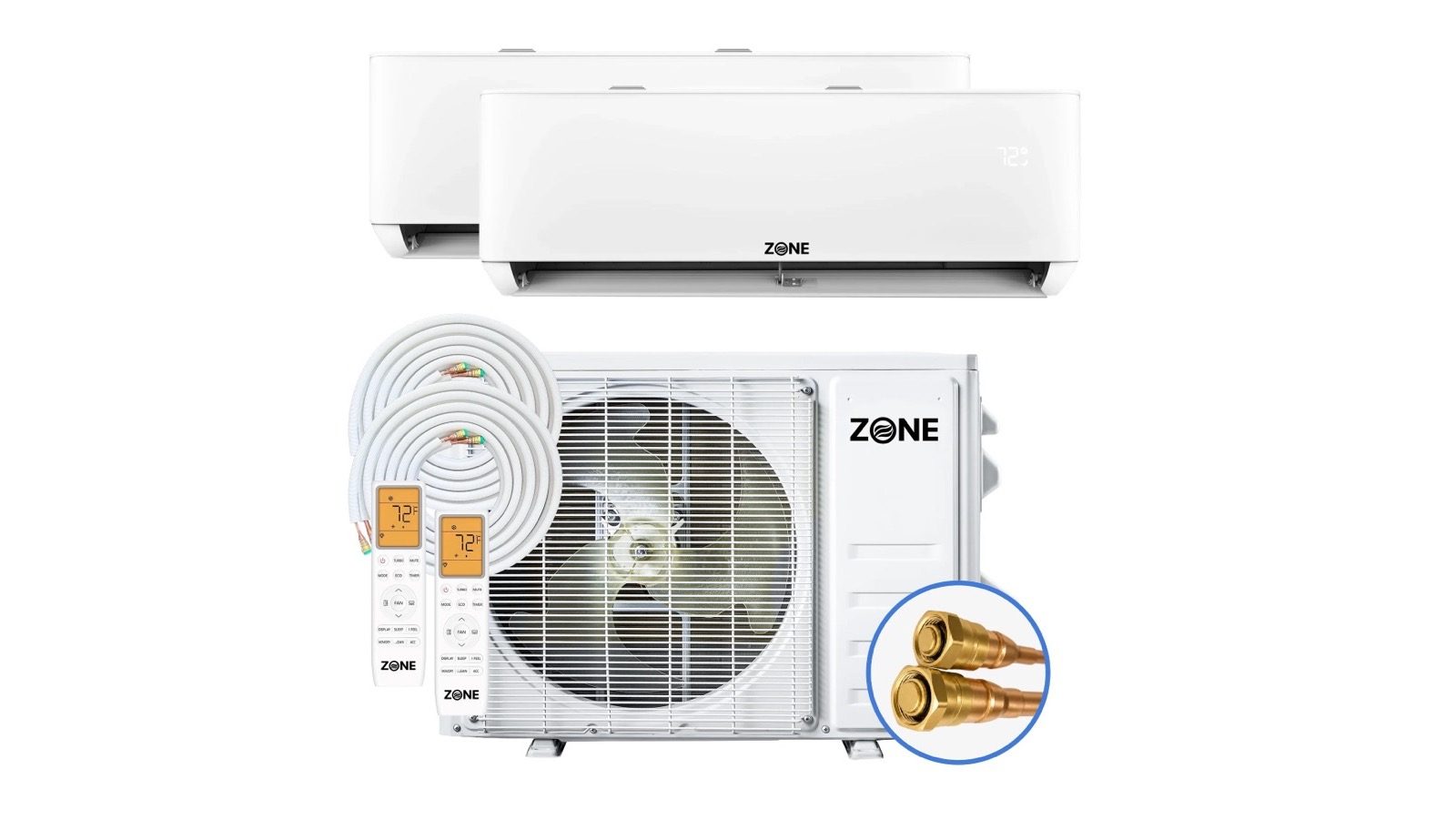
Ductless mini-split systems: These work well for homes without ductwork, additions or single rooms that need independent control. Ductless mini-split systems cost $4,000–$8,000 per zone installed. We at HVAC On Sale ship both conventional and DIY-style mini split kits for single-zone and multi-zone setups.
Where Your Money Goes
Installation cost covers removal and disposal of the old AC system, setting a new concrete pad, hanging or placing the air handler, running refrigerant piping, evacuation and charging, electrical connections, thermostat wiring and system startup. Labor costs for AC installation can run $1,200 to $4,000, and labor costs account for 30% to 50% of total AC replacement costs.
Florida jobs also include mandatory permit fees for AC installation, which range from $100 to $500 depending on county. Add hurricane-approved condenser tie-downs, a new concrete slab or stand, and condensate drain improvements. Installing new ductwork can cost between $3,000 and $7,500 if your existing ducts can't be saved. Full duct replacement can increase the total project cost a lot.
Why Florida AC Systems Cost and Work Differently
Florida homeowners run air conditioning 9–10 months a year, easily 2,000+ cooling hours each year in most cities. That's far more runtime than the national average, and it shapes what equipment you need and what it costs to keep running.
SEER2 Efficiency and Long-Term Costs in Florida
SEER2 is the current standard measure of efficiency for air conditioning. It measures how much cooling output you get divided by the electric energy input, using updated testing conditions that were introduced in 2023. Florida's minimum SEER2 rating is 14.3 for split systems, and many Florida homes benefit from 15–17 SEER2 or higher because of the long cooling season.
Here's how equipment efficiency can affect your wallet:
-
Base 14.3 SEER2: Lowest equipment cost, meets code minimum, enough but not optimized for energy savings.
-
Mid-range 15–17 SEER2: Moderate higher upfront cost, noticeable reduction in monthly energy bills. Upgrading to SEER2 16 saves about $400/year on energy bills in a typical Florida home.
-
High efficiency 18+ SEER2 with variable speed technology: Highest upfront cost, best long-term savings and humidity control, but payback period stretches unless cooling loads are heavy.
Higher SEER2 ratings reduce energy bills a lot in Florida, and higher efficiency systems pay back faster in Florida's long cooling season. For a 2,000 sq ft home in Pensacola or Orlando replacing a worn 10 SEER system with a modern 16 SEER2 heat pump, the annual energy savings can easily reach several hundred dollars.
Florida Codes, Permits and Installation Details
Since December 31, 2023, new HVAC installs in Florida fall under the 8th Edition (2023) Florida Building Code and the 2020 National Electrical Code. These codes influence installation cost in ways many homeowners don't expect. Florida's climate requires specific permits and inspections for air conditioning systems, and most counties require a mechanical permit for any AC replacement.
Permit and inspection costs typically run a few hundred dollars depending on the county - Miami-Dade, Broward, Escambia and Orange all have different fee schedules. Permit fees for AC installation in Florida range from $100 to $500.
Wind resistance: Florida Building Code, Mechanical Section 301.15 requires outdoor mechanical equipment to be designed and installed to resist wind pressures determined under the FBC Building code. That's why Florida condensers are strapped or bolted to their pad or stand - never left sitting loose. Local building codes in Florida include wind-load and hurricane-strapping requirements that apply statewide.
Ground-mounted equipment: FBC Mechanical Section 304.10 and Florida Residential Code Section M1305.1.4.1 both require equipment supported from the ground to sit on a level concrete slab or approved material at least 3 inches above the adjoining grade, or be suspended at least 6 inches above grade. This can add concrete or stand cost to your project.
Make sure your estimate lists pad work, anchoring hardware, electrical disconnects and condensate handling explicitly so you can see where code-driven line items affect the final price.
Ductwork, Electrical and Other Hidden Cost Drivers
- Partial duct repairs like sealing leaks and adding insulation: $1,000–$3,000
Electrical upgrades are common when installing a larger system or one with a variable-speed compressor. Costs range from a new disconnect or whip ($200–$500) to upsizing breakers, wire or even panel work when the current system's electrical can't handle the new load.
Ask your contractor for a walkthrough of duct, drain and electrical findings so you understand what's optional versus what's needed for safety and system efficiency. Additional costs from these items can shift the overall cost of your project by thousands.
Buying Equipment Only vs. Turnkey Installation
The equipment-only path works like this: you'll buy the condenser, air handler, line sets and accessories from a store like us, then arrange local licensed labor to install central air.
- Landlords who work with a regular licensed installer on multiple properties
Important: Florida manufacturer warranties generally need startup and refrigerant work to be done by a licensed HVAC professional. Do not plan to handle refrigerant lines and charging yourself.
You can use our written quotes to match model numbers, tonnage and system efficiency against local contractor bids. This lets you see exactly how much of your AC replacement cost is equipment versus labor and overhead. Having the equipment side locked down makes comparisons from multiple licensed contractors sharper for HVAC installations in Florida.
How to Read and Compare Florida HVAC Estimates
A good written estimate should include:
Look for clear separation of labor cost, permit fees, duct modifications, condensate upgrades and electrical changes, not a single unclear line item. This is how you spot whether a low bid is really lean or just hiding work that was put off.
How to Control New AC Costs
Prioritize wisely. Choose solid mid-range system efficiency (15–17 SEER2) over expensive bells and whistles if budget is tight. But don't skimp on proper airflow, duct sealing, condensate safety switches or code-compliant electrical work. Buying appropriately sized equipment packages-condenser plus matching air handler or coil-and having them installed together is cheaper and more reliable than piecemeal replacements. Properly sized systems ensure proper airflow and energy usage stays where it should be.
-
Federal tax credits offer 30% credit up to $2,000 for heat pumps that qualify. Verify current rules before you buy.
-
Florida utility rebates range from $300 to $1,000 for upgrades that improve energy efficiency
When to Repair or Replace Your Florida AC
-
It uses obsolete refrigerant (R-22)
-
The repair cost can approach 40–50% of a new system cost
Newer systems under 8–10 years with a single failed part may still be worth repairing, especially if the unit was properly sized and previously kept the home comfortable.
FAQ About New AC Unit Cost in Florida
How much should I budget for a 3-ton AC replacement in a 1,600–2,000 sq ft Florida home?
A typical 3-ton central AC or heat pump replacement in 2026 Florida markets often falls around $8,000–$12,000 installed, depending on SEER2 rating, duct condition and whether any electrical or condensate upgrades are needed. If existing ducts are in good shape and the electrical panel can handle the new load, you'll land closer to the low end. Coastal zones or homes that need duct sealing push toward the high end.
Can I buy a new AC system online and still get it installed?
Yes. Many Florida contractors will install equipment that you supply, but policies vary. Confirm in advance who handles warranty claims, whether the contractor's labor warranty applies to equipment you provide, and whether there's an extra charge. Professional installation by a licensed pro is usually needed to keep manufacturer warranties in place.
How long does a new central AC or heat pump last in Florida?
In much of Florida, especially coastal and high-humidity areas, central units usually last around 10–15 years with good maintenance. Heavy runtime, salt air and clogged condensate lines can shorten lifespan if not addressed. Regular filter changes, annual professional maintenance and keeping the outdoor unit clean go a long way.
Is DIY AC Installation Realistic in Florida?
For central AC or heat pump installation, most homeowners should hire a licensed HVAC contractor. Florida codes, electrical safety requirements and refrigerant handling rules (EPA Section 608) are strict. Partial DIY may make sense for a project like pad preparation or installing certain DIY-rated ductless mini split kits, but leave final connections, refrigerant charging and startup to a licensed pro. What options need no professional installation? Portable units and window units are the only ones.
Related guides
- Quietest AC Unit 2026: Best Ultra-Low-Noise Air Conditioners for Homes
- Cost to Replace Condenser Only: Repair vs. Full System Upgrade
- How to Read an AC Model Number (So You Know What You're Buying)
- DIY Mini Split No HVAC Contractor: Precharged Line Set Install Guide (2026)
- MRCOOL vs Zone Air: DIY Mini Split Comparison for 2026
Get help choosing an air conditioner
Specifications, prices and warranty terms are manufacturer-published or publicly listed as of October 2026 and subject to change. Verify current listings before purchase. Brand and product names mentioned are trademarks of their respective owners. HVAC On Sale is not affiliated with or endorsed by them.