
The short answer: In mild and mixed climates like the Gulf Coast, Southeast, Mid-Atlantic and Pacific Coast, an electric heat pump is usually the better pick because it does all your heating and cooling in one system, costs less to run than propane, heating oil or electric resistance heat, and can qualify for federal and state incentives. In cold climates where the temperature stays below 0°F for long periods and natural gas is cheap, a gas furnace with central AC still gives you lower annual heating bills. If you're in between, you might do best with a dual fuel system: a heat pump for mild weather and a gas furnace for the coldest nights.
We sell heat pumps, furnaces, ductless mini splits and related equipment at HVAC On Sale and we ship LTL freight across the lower 48. We don't install. We provide the equipment and the specs so you or your contractor can make the right call.
What Is a Heat Pump?
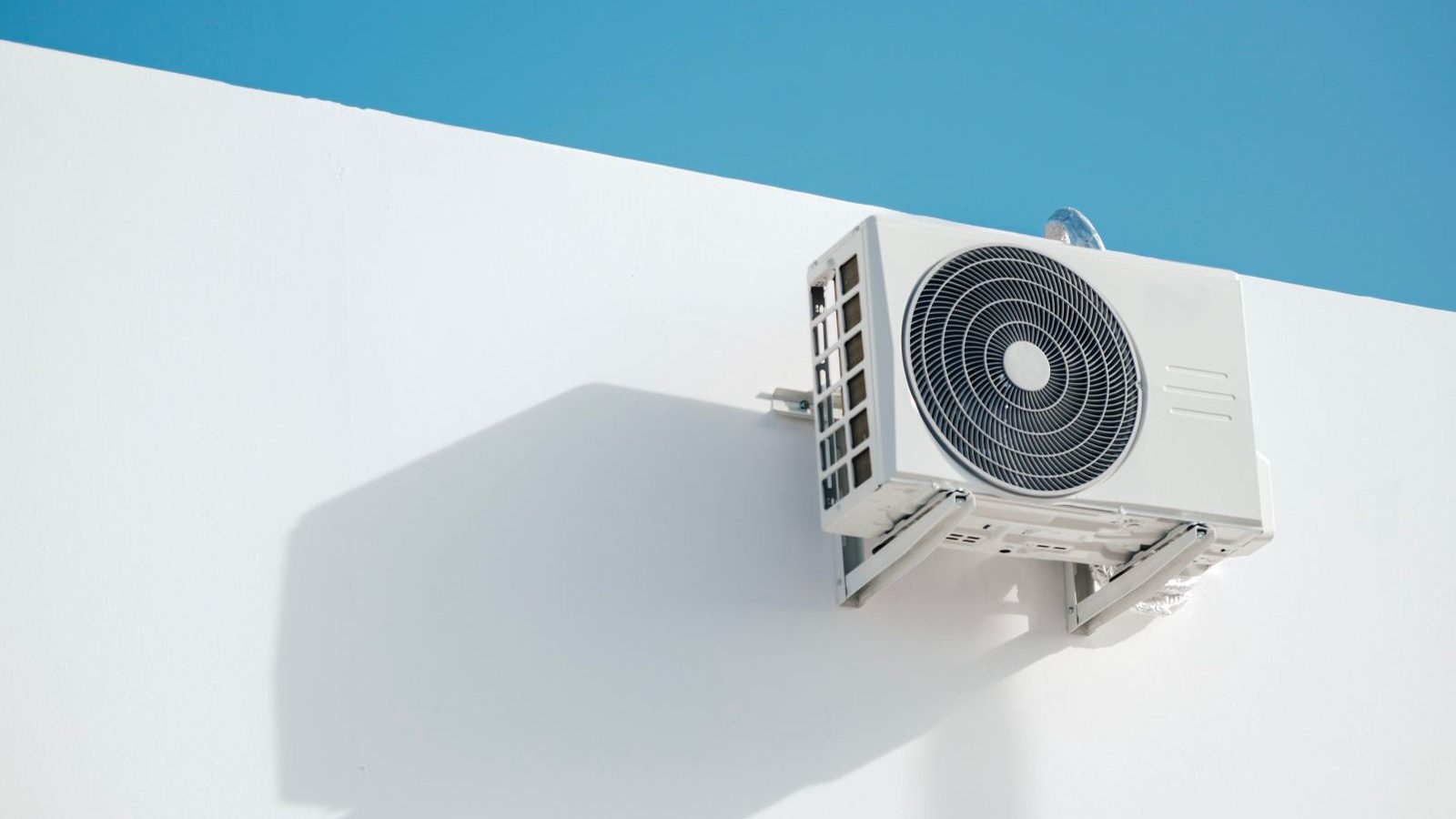
An air-source heat pump is an all-electric system that heats and cools your home by moving heat instead of creating it. In winter, it can pull heat from the outdoor air and bring it inside. In summer, it can switch and work like an air conditioner. Because heat pumps work this way, they can reduce electricity use for heating by about 75% compared to electric resistance systems.
-
Efficiency ratings: SEER2 is the rating for how efficient the cooling is, and HSPF2 is the rating for how efficient the heating is. Higher numbers will mean lower kWh consumption for each unit of heating or cooling you get. Because they move heat instead of making it from scratch, heat pumps can go over 100% efficiency. At moderate outdoor temperatures, the seasonal energy efficiency is usually between 300% and 500% (that's a COP of 3 to 5).
-
Cold-weather capability: Modern cold climate heat pump models can keep putting out useful heat well below freezing. For example, the MRCOOL DIY Hyper Heat (DIYHH-12-HP-C-230D25-O) has a rating down to −22°F and a 23.5 SEER2 rating. In many cold climates, heat pumps can run efficiently down to about −13°F, and some models can go even lower.
What Is a Furnace?
Furnaces get their rating from Annual Fuel Utilization Efficiency, or AFUE. An 80% AFUE furnace is going to lose 20% of its fuel energy up the vent. Modern high-efficiency gas furnaces can hit 95% to 98.5% AFUE. For instance, Carrier's Infinity® 98 Gas Furnace can reach up to 98.5% AFUE. Gas furnaces can get up to 98.5% AFUE efficiency. That means nearly all the fuel's energy becomes heat you can use.
Heat Pump vs Furnace at a Glance
| Factor | Heat Pump (Ducted or Ductless) | Gas Furnace (+ Separate AC) |
|---|---|---|
| Best for | Mild to mixed climates; homeowners wanting one system for heating and cooling | Cold climates with cheap natural gas and existing gas infrastructure |
| Upfront equipment + install | Roughly $10,500 to $24,000 installed (ducted or ductless, before incentives) | Roughly $4,000 to $10,000 installed for furnace; add $3,000–$7,000 for AC |
| Operating cost trend | Lower where electricity is reasonable and replaces propane, oil, or resistance heat | Lower where natural gas is cheap and winters are long |
| Cold-weather heating | Standard units lose capacity below freezing; cold climate models deliver 100% capacity at 5°F | Full rated output regardless of outdoor temperatures |
| Lifespan | Around 15 years (year-round use accelerates wear) | 15 to 20 years; sometimes longer with light use |
| Comfort | Gentler, steadier air; less indoor dryness | Hotter supply air in bursts; tends to dry indoor air |
| Electrical/space needs | 208/230V circuit for most; outdoor unit clearance | Gas line, flue, 120V or 240V control; indoor closet or utility room |
| Ductless option | Yes; mini splits work without any ductwork | No practical ductless furnace exists |
The headline takeaway: a heat pump wins on year-round energy efficiency and the convenience of one system for heating and cooling. A furnace wins on raw heating output in bitter cold weather where gas is cheap and infrastructure is already in place.
Decisive Factor #1: Climate and Cold-Weather Performance
Your local climate is usually going to be the single biggest factor in choosing between a heat pump and a furnace.
In warm and mixed climates like the Gulf Coast (Pensacola, FL and similar areas), the winter design temperatures barely dip below freezing. A heat pump runs near its peak rated capacity almost all winter, and you'll need the cooling side for eight months anyway. A furnace in Pensacola would sit idle most of the year while you still pay for a separate AC. For the Southeast, Mid-Atlantic and Pacific coastal zones, heat pumps and ductless mini splits can handle all the heating and cooling with no backup needed in most homes.
True cold climates, like the Upper Midwest, interior Northeast and Rockies, are a different situation. Standard heat pumps are going to lose capacity as temperatures drop. Many are going to fall to 50–60% of rated output at 5°F. That's where cold climate heat pump models earn their label. ENERGY STAR's cold-climate standard for ducted heat pumps is going to need at least 8.1 HSPF2, at least 15.2 SEER2, and delivery of 70% or more of rated heating capacity at 5°F. With modern models that are certified for cold climates, heat pumps can deliver 100% heating capacity down to 5°F. With modern models, heat pumps can operate in very cold climates. Carrier heat pumps, for instance, can operate at temperatures as low as −23°F. To show the gap between standard and cold-climate performance: ENERGY STAR lists the MRCOOL DIY-12-HP-C-115D25-O standard wall-head unit at 12,000 Btu/h heating at 47°F but only 8,400 Btu/h at 5°F. The Hyper Heat match (DIYHH-12) is going to list 11,000 Btu/h at 5°F, so it keeps far more output in cold weather.
Gas or oil furnaces can provide instant high-intensity heat regardless of outdoor temperature. A furnace's combustion or electric resistance puts out its rated BTUs as long as fuel or power is available. There is no capacity fade at −10°F or −20°F. Furnaces are preferred in very cold climates for their powerful heat output.
Decisive Factor #2: Upfront Cost vs Long-Term Operating Cost
Buyers need to weigh what they can spend today against 10 to 15 years of energy bills.
Upfront cost
Gas furnaces cost between $4,000 and $10,000 to install when the ductwork, gas line and flue are already there. Heat pump installation costs range from $10,500 to $24,000, depending on whether the system is ducted or ductless, single-zone or multi-zone and how much electrical work is needed. Heat pumps may need higher initial installation costs due to complex systems.
Ductless and DIY-leaning options can pull installation costs down. The MRCOOL DIY Hyper Heat (single-zone, 12K and 18K sizes) comes with pre-charged quick-connect line sets and needs no vacuum pump. A homeowner with basic electrical skills and code knowledge can handle the mechanical side. The MRCOOL Easy Pro 12K (EZPRO-12-HP-11516D-O), rated 19.5 SEER2, also comes pre-charged (16 ft line set) and is single-zone only, so it's the MRCOOL tier to compare on price against other entry-level options. Pioneer's Diamante Pro 12K (WYT012GLSI20RL), rated 20 SEER2 and 9.5 HSPF2 on R-454B, comes pre-charged for 25 ft but still needs a vacuum pump and flaring tools, so it is not a true DIY install. Della offers free extended lifetime parts coverage if the unit is registered within 100 days and handles registered non-professional installs the same as pro installs for parts, but Della's lines are not pre-vacuumed, so a vacuum pump is still needed.
Operating cost
Moving heat instead of creating it, heat pumps can give you more warmth from each kWh of electricity than electric resistance heating. You can save up to 50% on heating and cooling bills with heat pumps when you're replacing less efficient systems. Nationally, the cost of delivered heat for a heat pump is about $18.70 per million BTU on average, while natural gas is about $16.30 per million BTU on average. But those numbers vary by state. In Michigan, where gas is about $10.87 per thousand cubic feet, a furnace is cheaper to run. On the Gulf Coast, gas prices run higher and heat pump COPs stay up in mild winter temperatures, so the heat pump often wins on annual bills.
The cost to run a heat pump often depends on what the local electricity prices are. As of 2026, the national average residential electricity rate is about 18.2¢/kWh. Look up your local utility rates and, if you can, run an online heat pump vs gas cost calculator with your actual kWh price and gas use before you decide.
Decisive Factor #3: Comfort, Air Quality and Noise
Temperature consistency and airflow
Furnaces tend to blow supply air at 110°F to 140°F in strong bursts. That "warm" burst feels warm fast, but it creates temperature changes: the room heats up, the thermostat is satisfied, the blower shuts off and the room cools until the next cycle. Running for longer periods, heat pumps blow softer, cooler-feeling air than furnaces and that gives you consistent heat throughout the space. If you switch from a furnace to a heat pump, you might notice fewer hot-then-cool cycles and more even room temperatures. That adds up to better long-term comfort.
Decisive Factor #4: Installation Practicalities and Home Setup
Homes with existing ductwork
Swapping a gas furnace for a new gas furnace is usually the simplest path when the gas line, flue and ductwork are already there. A ducted heat pump (outdoor unit plus indoor air handler) can reuse the same ducts, but the electrical side often needs an upgrade: a 208/230V circuit, a larger breaker and sometimes panel work. In ducted setups, you need ductwork for both heat pumps and traditional furnaces, and leaky or small ducts hurt your SEER2/HSPF2 performance. It's a good idea to check what condition your ducts are in before you pick equipment.
Homes without ducts
Ductless mini split heat pumps are the practical answer for additions, older homes without ductwork or any space where running ducts is too hard. Single-zone units serve one location. With multi-zone systems, you can run multiple indoor heads from one outdoor unit. If you're a capable DIYer, the MRCOOL DIY Hyper Heat and Easy Pro come with pre-charged line sets and quick-connect fittings. You won't need a vacuum pump. Pioneer and Della still need a vacuum pump and proper flaring, and that usually pushes the job into pro area even if you handle mounting and planning.
Electrical and fuel infrastructure
Higher-capacity heat pumps may need new 208/230V circuits and specific breaker sizes. Have an electrician confirm your panel capacity before you order. Gas furnaces need safe gas piping and venting. Any changes to gas lines or flue direction should be done by a licensed pro. Permits and inspections vary by area.
On warranty: many brands need a licensed installer for full warranty coverage. Della is an exception, and it handles a registered non-professional install the same as a pro install for parts coverage. Still, regardless of brand, refrigerant handling needs EPA Section 608 certification.
Winner: Heat pump (especially ductless) wins for homes without ducts, for room additions and for buyers who are prepared to handle DIY work within code limits. Furnace replacement wins for homes already built around a gas furnace with decent ductwork when you want little change.
Decisive Factor #5: Maintenance, Lifespan and Reliability
Maintenance
Both systems need annual professional maintenance. For furnaces, that means inspecting burners, checking the heat exchanger for cracks, making sure the flue is clear, and testing for carbon monoxide. For safety, furnaces need a clear exhaust flue, and furnaces need regular monitoring for venting safety and carbon monoxide. For heat pumps, annual service covers refrigerant charge, condensate drain lines, coil cleaning and defrost cycle checks. Both need clean air filters changed every one to three months.
Lifespan
Furnaces are usually going to last 15 to 20 years. High-quality gas furnaces under light load with good maintenance can reach 25 years. Heat pumps usually last around 15 years, though ServiceTitan data puts the middle replacement for heat pump/AC equipment at about 13.3 years. Running year-round for heating and cooling, heat pumps are going to pile up more compressor hours than a furnace that only runs in winter. That year-round use cuts lifespan compared to a heating-only appliance.
Reliability and repair
Furnaces are mechanically simpler on the refrigeration side. There's no compressor, no flip valve, no defrost board. But combustion hardware brings its own risks: heat exchanger failure, gas valve problems and the constant need for CO detection. More complex on the refrigeration side, heat pumps have an inverter compressor, expansion valve, flip valve and defrost logic, but they avoid combustion-related safety concerns completely. Replacement parts for common brands are generally available. It's worth checking local service support for niche models before you buy.
Winner: Furnace is going to edge out heat pump on raw lifespan and wait on maintenance, assuming safe operation with working CO detectors. Having one system to maintain for both heating and cooling and eliminating combustion-related safety hazards, heat pump wins on that.
Heat Pump vs Furnace: Which Should You Choose?
-
You might choose a heat pump (ducted or ductless) if you live in a mild or mixed climate, want one system for heating and cooling, and want lower long-term energy costs than propane, oil or electric resistance. Reducing electricity use for heating by up to 75% versus resistance heat, heat pumps can do that. They produce zero on-site carbon emissions if your power comes from renewable sources.
-
Choose a gas furnace + central AC if you live in a very cold region with inexpensive natural gas, already have good ductwork and venting, and want the lowest upfront cost for a proven heating system.
-
Choose a dual fuel system (heat pump + gas furnace) if you want highly efficient heating for the fall and spring seasons but still need strong backup in sub-freezing weather. Dual-fuel systems can save up to 50% on heating bills by letting the heat pump handle the hours when it's most efficient and switching to gas only when it isn't.
-
Choose ductless mini split heat pumps if you're adding rooms, have no ductwork or want to control temperatures room by room. The DIY-oriented models we carry (MRCOOL DIY Hyper Heat, Easy Pro) can cut install labor, but they still must meet electrical and code requirements.
Heat Pump and Furnace FAQs
Can You Install a Heat Pump or Furnace Yourself?
Most ducted systems and all gas furnaces should be installed by licensed professionals for safety, code compliance and warranty protection. Some ductless systems are designed for capable DIYers: the MRCOOL DIY Hyper Heat and Easy Pro come with pre-charged line sets and you won't need a vacuum pump. You still need correct electrical work (proper breaker, wire gauge, disconnect) and you must follow local codes. Brands like Pioneer and Della still need a vacuum pump and proper flaring. That usually pushes the job into pro area even if you handle mounting and line direction.
How do rebates and incentives affect the heat pump vs furnace decision?
Many federal, state and utility rebate programs in 2026 favor high-efficiency heat pumps over new fossil-fuel furnaces. For qualifying air-source heat pump installations, the Inflation Reduction Act offers a 30% federal tax credit, up to $2,000 per year. Heat pumps can qualify for federal tax credits and rebates, so that can narrow or reverse the upfront cost difference compared to a furnace. Check current ENERGY STAR certification requirements and your local utility's incentive listings before you order, since not every heat pump model can qualify for every program.
Related guides
- Best Heat Pump Brands for US Homes in 2026
- Best DIY Mini Split Heat Pump: Brands Compared
- Best Mini Split No Vacuum Pump Required: Precharged Quick Connect 2026
- Concealed Duct Multi Zone Mini Split Easy Installation (2026 DIY Guide)
- Best DIY Multi Zone Concealed Ducted Mini Split: Official MRCOOL vs Zone Air in 2026
Specifications, prices and warranty terms are manufacturer-published or publicly listed as of October 2026 and subject to change. Verify current listings before purchase. Brand and product names mentioned are trademarks of their respective owners.