
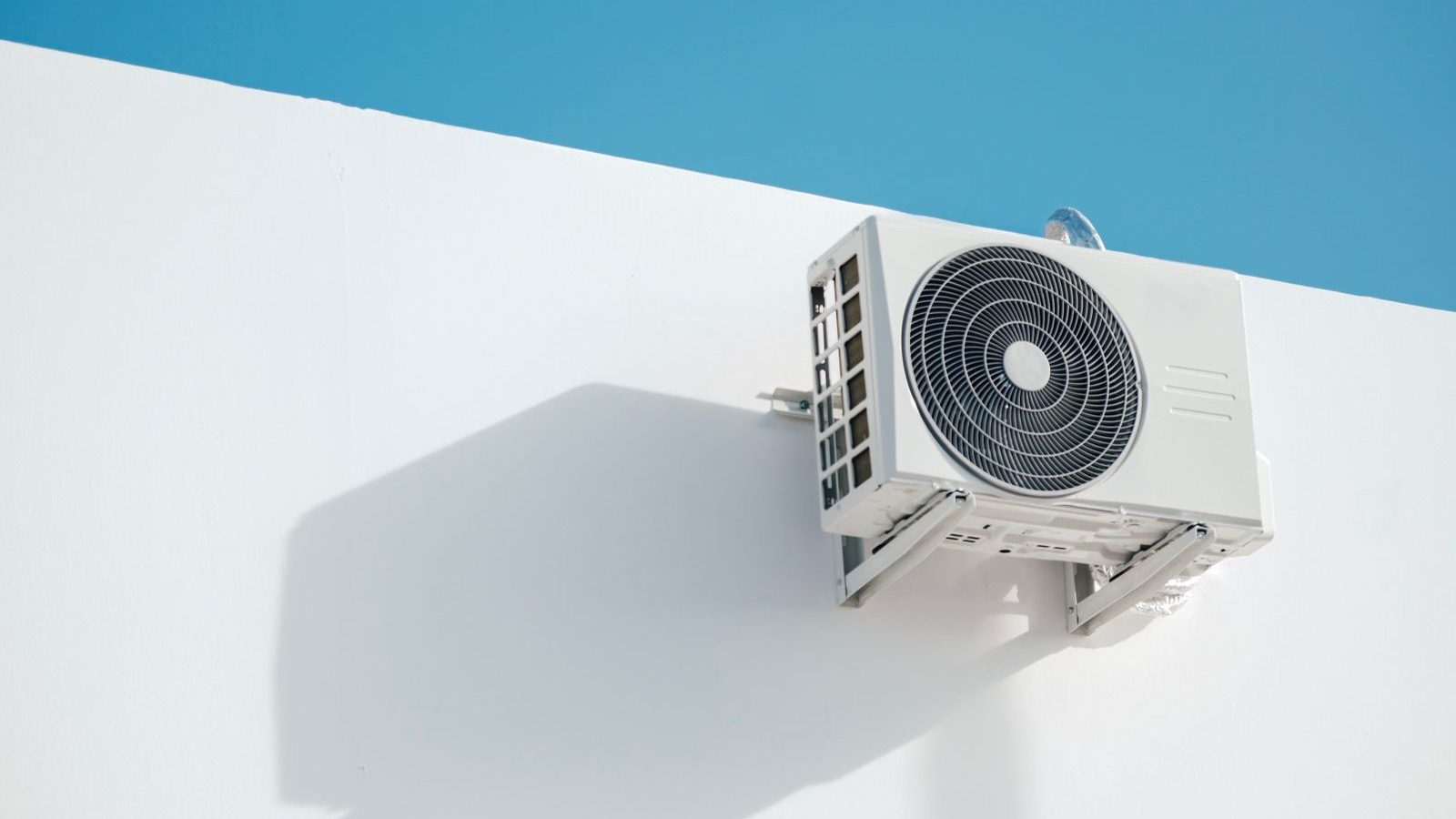
What is a heat pump?
An electric system that moves heat rather than creating it from fuel, a heat pump uses a switch valve to change between cooling mode, which sends indoor heat outside just like a central AC, and heating mode, which pulls heat from outdoor air and delivers it inside. Heat pumps can deliver two to three times more heat energy than the electricity they use, so they're far more efficient than electric heat strips or baseboard heaters.
-
It cools the same as a central AC. With the outdoor condenser, the indoor coil or air handler, and the compressed refrigerant cycle, everything is the same. If two units have the same SEER rating, the cost of cooling is the same.
-
Heats without burning fuel. In heating mode, the system is absorbing heat from outside air and moving it indoors. Some cold climate heat pump models can work efficiently in temperatures down to -23°F, and at 5°F they still keep 70–80% of their rated heating capacity.
-
Rated by two numbers. SEER2 is the seasonal energy efficiency ratio, and it is the measure of cooling efficiency. HSPF2 is the heating seasonal performance factor. It is the measure of heating efficiency. Both use updated Appendix M1 test procedures, and these test procedures reflect real-world conditions more closely than the older SEER and HSPF numbers.
-
Available ducted or ductless. Central heat pump systems tie into existing ductwork. Ductless mini splits are used to serve individual rooms or zones. Brands we usually sell, such as Della and Zone Air, include ductless options. Della offers free extended lifetime parts coverage if the unit is registered within 100 days and handles a registered non-professional install the same as a pro install for parts warranty, though Della's lines are not pre-vacuumed, so a vacuum pump is still needed.
What is a central air conditioner?
- Efficiency measured by SEER2 alone. For residential split-system ACs, the current federal minimum is about 14.3 SEER2. Both heat pumps and air conditioners have SEER ratings ranging from 13 to 21. The most efficient air conditioner models can reach a SEER2 of up to 21.5.
Heat pump vs AC key differences
| Factor | Heat Pump | Central Air Conditioner |
|---|---|---|
| What it does | Heats and cools with one outdoor unit | Cools only; requires a separate heating system |
| Best for | Full system replacement, all-electric homes, mild to moderate climates | Homes with a newer gas furnace that only need a cooling replacement |
| Upfront system cost | Heat pump installation averages $15,393 before incentives | Central AC installation costs $6,000–$12,000; AC plus furnace runs $11,590–$14,100 |
| Operating cost over 10 years | Lower combined heating and cooling costs; up to 300% efficient heating | Cooling costs identical at the same SEER2; heating cost depends on furnace fuel and efficiency |
| Backup heat needed? | Rarely in mild climates; auxiliary heat strips or dual fuel system in cold regions | Always needs a furnace or other heat source |
| Climate sweet spot | Hot, warm and moderate climates; cold climate models extend range to sub-zero | Any climate, but must be paired with adequate heating |
The main takeaway: for a full system replacement, a heat pump usually costs less than an AC plus a gas furnace once you add equipment, installation and a decade of utility bills. For a cooling-only condenser swap on an existing furnace, a new AC is simpler and cheaper upfront.
Factor 1: total system cost (equipment and energy)
The price on the outdoor unit is only part of the story. When you compare air conditioner costs, you have to include the furnace or other heating system the AC needs, plus 10–15 years of energy costs on your electric bill.
-
Full replacement (new build or old equipment being retired). With one buy, a heat pump plus an air handler replaces both heating and cooling. An AC needs a separate furnace. Before incentives, heat pump installation is averaging $15,393. AC plus furnace installation costs are ranging from $11,590 to $14,100. Once you factor in available rebates for heat pump installations, the gap gets smaller or flips.
-
Ductless. Ductless heat pumps (mini splits) can completely eliminate ductwork cost when you're replacing window units or baseboard heat. Most mini splits from brands we sell, including Della and Zone Air, are heat pumps by default. They cool and heat.
Cooling costs are identical at the same SEER2. The difference shows up in heating. A heat pump with a seasonal performance factor (HSPF2) of 7.8 or higher delivers about 2–3 units of heat for every unit of electricity, while electric heat strips deliver exactly 1:1. A gas furnace with 95% AFUE turns fuel into heat in an efficient way, but whether gas or electric heating costs less depends on local rates. In Florida, the break-even COP is around 1.7, which means even a small heat pump saves money over a gas furnace for heating. In states where electricity runs above 25¢/kWh and natural gas is cheap, a furnace plus AC may still be competitive for heating costs.
Heat pumps can save on long-term heating and cooling costs, and DOE estimates show that a high-efficiency heat pump system (SEER2 24 / HSPF2 11) can cut about $5,500 in lifetime energy costs over 15 years compared to a minimum-standard system.
Factor 2: performance and comfort (cooling and heating)
Cooling performance. Both heat pumps and air conditioners cool using the same refrigeration cycle. If you match the tonnage and SEER2, you get the same temperature drop, the same humidity removal, the same runtime. A 3-ton, 15.2 SEER2 heat pump in cooling mode and a 3-ton, 15.2 SEER2 central AC unit are the same for practical purposes. Both systems have similar cooling efficiency ratings measured by SEER. Comfort problems almost always trace to wrong sizing (oversized units short-cycle and leave damp air), poor ductwork or wrong refrigerant charge.
In Pensacola, where the mean annual extreme low at NAS Pensacola is 23.5°F per the 2025 ASHRAE Handbook, a heat pump rated to −13°F has about 36°F of room below the typical coldest night of the year. Backup electric heat strips almost never kick on. In cold climates where temperatures dip well below zero, heat pumps may need supplemental heating sources such as auxiliary heat strips or a hybrid system with a gas furnace.
Noise. Outdoor sound levels are similar between similar models of both heat pumps and ACs. Variable-speed compressors run quieter for both. For ductless, Zone Air's Airframe cassette is rated at 30 dB(A) at its most quiet setting. MRCOOL's OuttaSight cassette is rated 26 dB(A). Both are quieter than a typical conversation.
Factor 3: climate and reliability over time
Warm and hot climates. Pensacola averages 2,609 cooling degree days and 1,537 heating degree days a year (base 65°F, 1991–2020 averages), so the cooling load is about 1.7 times the heating load. The AC runs about eight months a year either way. A heat pump sized for that cooling load has plenty of capacity left over for the heating season. Heat pumps are suitable for hot climates like Texas and Florida, where moderate temperatures in winter rarely challenge the equipment. Near the coast, salt air and humidity corrode outdoor units of both types. Corrosion-resistant coils and finishes matter regardless of whether you pick ac or heat pump.
Cold and very cold climates. Cold climate heat pumps perform well down to -20°F. Some models operate efficiently down to -23°F. Below those cutoffs, capacity drops and a secondary heat source is needed. A dual fuel system (heat pump paired with a gas furnace that takes over at a set outdoor temperature) fixes this. In regions where natural gas is cheap and electricity is expensive, a traditional AC plus a gas furnace may still deliver lower operating costs for heating. AC performance is identical in any climate. The question is strictly about winter.
Lifespan and wear. The lifespan of a heat pump is generally shorter than that of a traditional AC. Heat pumps last 12–15 years with proper maintenance. Air conditioners usually last about 15 years with maintenance. The reason: heat pumps run almost year-round, causing extra wear and tear on compressors, reversing valves and defrost controls. Heat pumps need servicing in spring and fall to stay near the top of their range. Air conditioners should be serviced each spring before cooling season. That said, a heat pump replaces the runtime a furnace would have logged, so total system wear is redistributed rather than added.
Factor 4: installation, compatibility and who should choose what
Existing ducted systems. An AC condenser can often be switched for a heat pump using the same ductwork and the same air handler or furnace cabinet, as long as line set diameter, electrical service and thermostat wiring support the new unit. Replacing a heat pump with a new AC is also simple. Compared to a straight-cool AC, heat pump installations may need a different outdoor disconnect size or thermostat wire count, but these are minor adjustments for a licensed installer.
Ductless and room-by-room options. Ductless heat pumps are used to replace multiple window units or space heaters, or to serve additions and garages without new ductwork. Ductless "AC-only" systems exist, but most mini splits from brands we sell are heat pumps by default. They cool and heat. Zone Air's Airframe cassette, for example, is a four-way unit with a 22-1/2 inch square body that needs a framed ceiling opening, sold in 9,500 and 12,000 BTU single-zone sizes with a condensate pump included. As of September 2026, a Zone Air 12K single-zone cassette system with a 25 ft line set was listed at $2,899.98, versus $3,283 (sale) for MRCOOL's 12K Hyper Heat cassette system.
Who should install. Most central residential systems should be installed by a licensed HVAC pro for refrigerant handling, electrical work and code compliance. Some ductless systems are marketed to experienced DIYers, but even then, brands like Della need pulling a vacuum with proper tools because the line sets are not pre-charged. Before committing to a non-pro install, verify the warranty terms. Installation costs for a professional are usually worth the protection.
Heat pump vs AC: which should you choose?
-
You're replacing both heating and cooling and want one system, one outdoor unit and one maintenance schedule.
-
You live in a mild or moderate-winter climate, or you're comfortable adding backup heat for rare cold periods.
-
You'd want to reduce or eliminate fossil fuel heating. Both a gas furnace and an AC can be replaced with a heat pump system.
-
You're considering ductless mini splits to heat and cool rooms that don't have ductwork.
-
Your existing furnace is newer and efficient, and you only need to swap a failed or aging condenser.
-
You live in a very cold climate where you prefer a gas furnace for primary heat and don't want a dual fuel system.
-
Your budget is covering only a cooling-only replacement now. You plan to address your heating system later.
Common questions about heat pumps vs AC
What size heat pump or AC?
Sizing should be based on a Manual J heat load calculation, not square footage rules of thumb, because insulation, window area, ceiling height and direction all affect the load. As a rough reference, many 1,500–2,000 sq ft Gulf Coast homes end up around 2.5–3.5 tons. Short cycling and poor humidity control are caused by oversizing. Email us your home's details and we can help narrow it down.
Do rebates favor heat pumps over ACs?
Federal tax credits for heat pumps ended after 2025, but state and utility rebates can save homeowners thousands. Under the Inflation Reduction Act, rebates for qualifying heat pump installations can reach $8,000. Massachusetts, for example, is offering up to $8,500 for heat pump rebates. Additional rebates for installing energy-efficient heat pumps may be offered by local utilities. Rebate plans often have funding caps and limited availability, so check your state energy office and local utility before buying.
Install a heat pump or AC yourself?
Most central systems require a licensed professional for safe electrical and refrigerant work, and to satisfy manufacturer warranties and local building codes. Some ductless systems are marketed to experienced DIYers, but even then, tasks like pulling a vacuum (required for brands like Della, which are not pre-vacuumed) need proper tools and care. If you plan a non-pro install, verify the manufacturer's warranty terms first. Some brands treat registered DIY installs the same as professional installs for parts coverage, while others do not.
Related guides
- R32 vs R454B: Which Refrigerant Makes Sense for Your AC or Heat Pump?
- What Size Heat Pump Do I Need? Sizing Guide for US Homes
- How to Size a Heat Pump: Practical Sizing Guide for U.S. Homes
- Best Heat Pump for Humid Climate: Top 7 Picks for Sticky Summers
- Cold Climate Heat Pump Mini Split DIY 2026: Hyper Heat & Low-Ambient Specs