
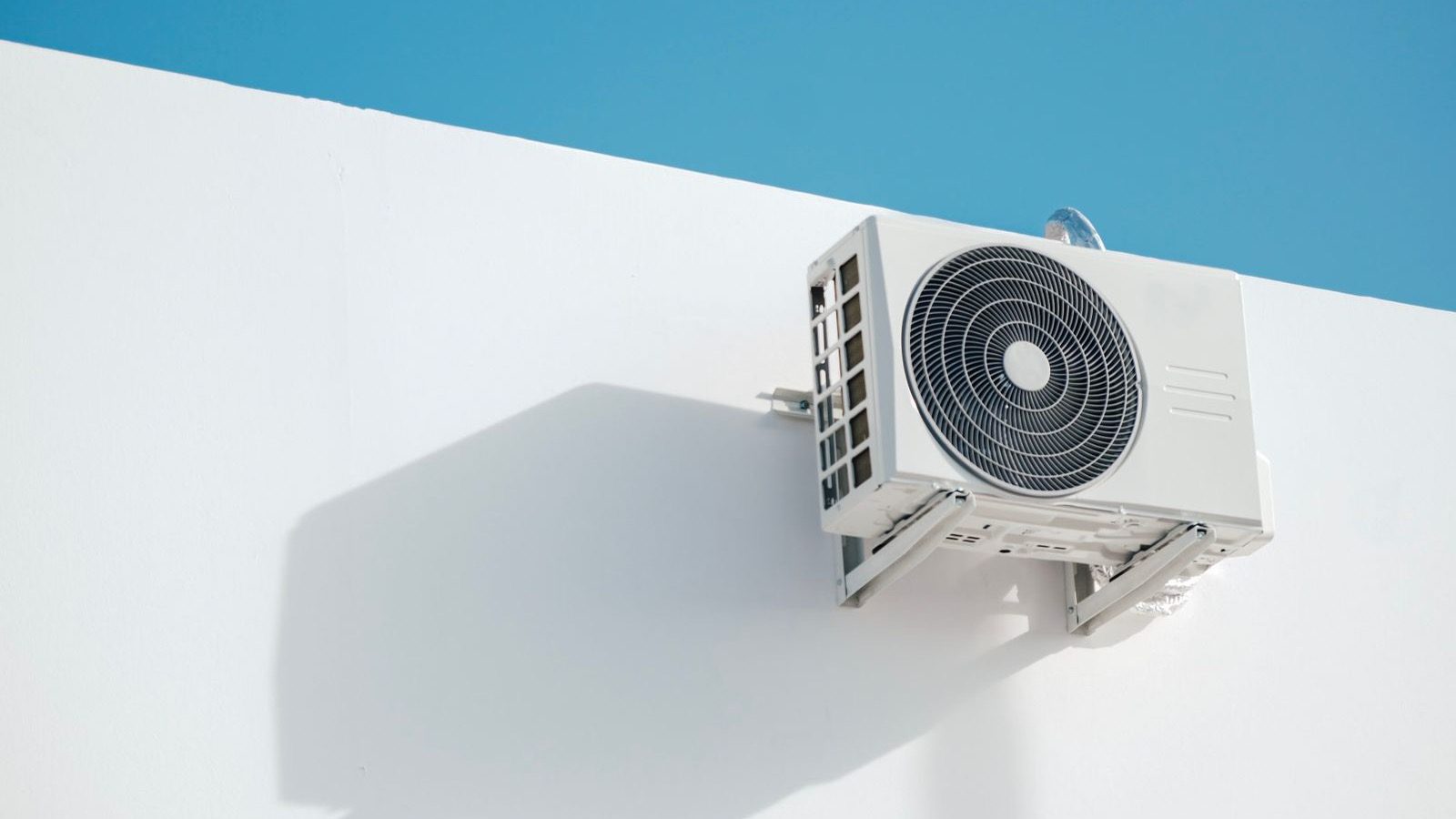
The short answer: Most US homeowners who are replacing a central ducted system will end up with R454B, because that is what the major US manufacturers have settled on for split systems, packaged units and light commercial equipment. If you are putting in ductless mini splits, multi-zone setups or variable refrigerant flow systems - especially from brands like Daikin or Mitsubishi - you will almost certainly get R32. Both refrigerants meet the limits that the federal government has set for global warming potential, both are rated A2L (a little flammable, low toxic risk), and both are a major step down from R410A's high global warming potential. The real question might not be which refrigerant is "better" in general. It is which equipment type could fit your home, your climate and your budget.
What Is R32?
R32 (difluoromethane) is a single-part HFC refrigerant that is rated as A2L under ASHRAE standard 34. It has a GWP of about 675 and zero ozone loss potential. That is well below R410A's GWP of about 2,088.
Here's what matters to you:
-
Pure refrigerant, no blend. Because R32 is a single part, it does not have any temperature slip during evaporation or condensation. That can make charging, leak diagnosis and service simpler - if a small amount leaks, the refrigerant mix does not change.
-
Less charge needed. R32 systems usually need 10–20% less refrigerant charge than R410A for the same cooling capacity, which can mean smaller line sets and lower refrigerant costs over the system's life.
-
Meets the US 700 GWP cap. R32's GWP of 675 falls under the Environmental Protection Agency's threshold for new residential and light commercial comfort cooling equipment, which took effect January 1, 2025.
What Is R454B?
R454B is a mixed refrigerant that is made of two parts - about 68.9% R32 and 31.1% R-1234yf (an HFO). Its GWP is about 466, and like R32 it has an A2L safety rating and zero ozone loss potential. It was built specifically to follow up on R410A with lower GWP in traditional US HVAC system designs.
Key points for buyers:
-
Near-R410A operating pressures. R454B's performance characteristics are close enough to R410A that manufacturers can redesign existing split systems, air handlers and packaged units without starting from scratch - different compressor design, expansion valve and safety components, but a familiar overall architecture.
-
Lower GWP than R32. R454B's GWP of 466 is 31% lower than R32's 675, and 78% lower than R410A's 2,088. That gives it more room under current and potential future US rules.
-
Small but real temperature slip. As mixed refrigerants go, R454B's slip is small, but it does mean charging has to be done as a liquid, and leak handling needs careful attention to maintain the correct refrigerant mix.
-
Chosen by most major US brands. Johnson Controls announced in 2021 that R454B would replace R410A across its ducted residential and unitary products. Lennox did the same. As of 2026, R454B has become the standard for US HVAC manufacturers in central ducted equipment.
R32 vs R454B at a Glance
Before getting into the key factors, here's a quick side-by-side of the two refrigerants across the dimensions that actually drive buying decisions:
| Factor | R32 | R454B |
|---|---|---|
| Best for | Ductless mini splits, multi-zone, VRF | Central ducted splits, packaged units, light commercial |
| GWP (EPA/AR4 basis) | ≈ 675 | ≈ 466 |
| Safety class | A2L (mildly flammable, low toxicity) | A2L (mildly flammable, low toxicity) |
| Temperature glide | None (single component) | Small glide (zeotropic blend) |
| Typical SEER2 range (2026 US market) | Mid-20s to high-20s in ductless/VRF | \~14.3–18+ in central split/packaged systems |
| Operating pressure vs R410A | Slightly higher discharge | Close to R410A |
| US equipment availability | Primarily ductless/VRF from Asian manufacturers | Broadly available from major US OEMs |
| Retrofit R410A? | No - new equipment required | No - new equipment required |
The main takeaway: R454B dominates mainstream US central systems, while R32 dominates higher-efficiency ductless setups. Your equipment type largely picks your refrigerant for you.
Decisive Factor #1: Equipment Types and Availability in the US
In the vast majority of new equipment from major US brands that is designed to replace R410A central split systems, packaged units and small commercial rooftop units, you'll find R454B. Johnson Controls, Lennox and many other manufacturers in the HVAC industry are moving their entire ducted product lines to R454B. If you're getting a quote for a 2–5 ton central heat pump or AC in 2026, R454B is almost certainly what you'll be offered.
Contractor support follows the same pattern. Most US service techs who were trained on R410A are being cross-trained on R454B as those units ship in volume. Among contractors who already specialize in ductless installs, especially in hotter, coastal areas like the Gulf Coast where mini split systems are common, R32 service knowledge is best.
Decisive Factor #2: Efficiency, Performance and Comfort
R32's thermodynamic properties help it transfer heat more efficiently. In well-designed ductless platforms with inverter-driven compressors, R32 systems deliver 3–5% better efficiency than R454B systems in similar applications. Many inverter-driven R32 mini splits hit mid-20s SEER2 and beyond - some premium units push past 28 SEER2. R32 needs 10–20% less refrigerant charge than R454B, which contributes to strong cooling performance in compact equipment.
R454B systems are usually 2–3% less efficient than R32 systems, but they're designed for a different job: whole-house comfort through ducted distribution. Mainstream R454B central systems target 14.3–18+ SEER2, with premium variable-capacity models pushing higher. That's a solid range for ducted equipment, though the efficiency gap versus high-end ductless is real.
For a 2,000 sq ft Florida home that runs AC eight months a year, the gap between a 15 SEER2 R454B central system and a 22+ SEER2 R32 mini split setup can mean several hundred dollars per year in electricity costs. But that comparison only works if the ductless system is the right fit for the layout. Duct losses in humid, hot climates are significant - and a poorly matched ductless system in a home that really needs whole-house airflow won't deliver the efficiency gains that the SEER2 number promises.
R32's single-component behavior (no temperature glide) makes it simpler to fine-tune the refrigerant charge for peak performance. R454B's low glide needs more careful attention during charging but still performs well when it's installed correctly by trained HVAC professionals.
Decisive Factor #3: Environmental Impact and Future‑Proofing
Both R32 and R454B exist because R410A's GWP of about 2,088 is far too high under rules like the US AIM Act. Both R32 and R454B are low-global warming potential refrigerants, and both have zero ozone loss potential - neither contributes to ozone layer loss, consistent with Montreal Protocol goals. Both refrigerants are designed to minimize climate impacts from refrigerant leaks.
The concrete GWP comparison: R454B has a GWP of 466, lower than R32's 675. That 31% difference gives R454B more room to work with if the Environmental Protection Agency or future climate change policy pushes the cap below 700 - say, toward 500. Industry talk about tightening limits in the 2030s is real, and R454B's lower gwp provides more of a cushion for manufacturers and building owners who want their new equipment to stay comfortably inside code targets for a full 12–15 year equipment lifespan.
Both meet the EPA's 700 GWP requirement for new residential and light commercial comfort systems. Neither is being phased out on any timeline similar to what happened with R22.
Decisive Factor #4: Service, Safety and Installation Practicalities
Both R32 and R454B are rated as A2L refrigerants. An A2L rating means low toxic risk and a little flammability - they're slightly flammable under specific conditions, not non-flammable like R410A was. Both need updated safety steps and technician training, A2L-rated tools, proper ventilation and in many cases refrigerant monitors in mechanical rooms.
R32 service realities:
-
As a single part refrigerant, R32's mix doesn't shift when small leaks occur. Topping off (by a qualified tech) is more simple - there's no risk of mixture drift.
-
R32 operates at slightly higher pressures than R454B, and discharge temperatures run higher than R410A. Equipment design has to account for this: better compressors, controls and heat exchangers that are rated for the thermal load.
-
Training and knowledge for technicians are concentrated among contractors who work on ductless-heavy brands.
R454B service realities:
-
As a blend of two parts, R454B has mild temperature slip. Charging must be done as a liquid, and recovery steps must follow blend-specific steps to avoid mix shift during a leak or service event.
-
Operating pressures are close to R410A. That makes the transition easier for US part suppliers and installers who are already trained on R410A systems.
-
Broad training rollouts are underway from major US OEMs as their R410A product lines convert - many manufacturers are investing heavily in contractor education.
Safety considerations for homeowners: EPA Section 608 certification and A2L-rated tools and recovery equipment are required to handle either refrigerant legally. Homeowners should not open the refrigerant circuit on either type. At most, you can install certain pre-charged DIY mini split kits where local regulations allow, following the manufacturer's instructions exactly.
Codes are evolving. In Florida, counties like Escambia may require permits and inspections for new HVAC installs, especially with A2L refrigerants. Escambia County Building Services answers permitting questions at 850-595-3550 or [email protected].
Winner: Tie on safety classification and safety requirements. R32 is simpler to service chemically (pure compound, no glide), while R454B better matches legacy R410A practices for US pros. Real-world safety depends more on equipment design, proper installation and trained service than on which of these two refrigerants is inside the unit.
Cost and Buying Tips for R32 vs R454B
- Charge size: R32 needs 10–20% less refrigerant charge than R454B for similar capacity, which partially offsets any per-pound price difference. A smaller charge also means less refrigerant to recover at end-of-life.
For buyers in Escambia County, Florida: equipment shipped to an Escambia County address from HVAC On Sale is subject to 7.5% sales tax (6% state + 1.5% county discretionary extra tax, in effect through December 31, 2032).
Before you commit to any emailed quote, always confirm the current SEER2 ratings, refrigerant type and warranty conditions on the spec sheet. Warranties are tied to using the factory-specified refrigerant - using the wrong one can void coverage.
R32 vs R454B - Which Should You Choose?
-
Choose R454B if:
-
You're replacing an older R410A central system and you're keeping your ductwork.
-
You want a simple 14.3–17 SEER2 heat pump or AC from a familiar US brand.
-
Your priority is a widely supported refrigerant in the US ducted market with strong OEM and distributor backing.
-
You might prefer the lower GWP alternatives that give maximum regulatory room to work with for the next decade-plus.
-
Choose R32 if:
-
You're installing ductless mini splits or multi-zone systems for additions, garages or older homes with weak or missing ducts.
-
High efficiency and zoned comfort are what matter more than sticking with a traditional air handler and furnace layout.
-
You have a contractor who's comfortable with ductless systems and A2L handling.
-
You want the performance characteristics and ease of a pure refrigerant with no temperature slip.
Frequently Asked Questions About R32 vs R454B
Retrofitting R410A to R32 or R454B?
No. Retrofitting an R410A system to either R32 or R454B is not allowed or safe. Pressures, oils, controls, safety standards and A2L safety requirements are different. In terms of system architecture, R454B is designed as a near-drop-in replacement for R410A, but it still needs new equipment purpose-built for it - not just a refrigerant swap. A proper upgrade means replacing the matched outdoor unit and indoor coil or air handler (or the full packaged unit), not just changing what's in the lines. Neither of these two refrigerants can safely go into an R410A system, and other refrigerants designed for R410A systems aren't interchangeable either.
Which refrigerant is safer?
Both are A2L - a little flammable, low toxic risk - and covered by the same safety standards and code requirements. Neither is non-flammable like R410A was, but the small flammability risk is well managed through proper equipment design, installation codes and trained service. Real-world safety depends far more on correct installation, enough ventilation and certified technicians than on whether it's R32 or R454B inside the unit.
Which refrigerant will be supported longer?
In ductless and VRF, R32 has a huge global installed base - it's the standard in other markets worldwide. R454B is increasingly adopted by major North American manufacturers and is set to dominate US central ducted heat pump systems for at least the late 2020s and beyond. Neither is being targeted for a near-term phase-out like R22 was. Both meet current US GWP caps. If caps tighten, R454B's lower GWP gives it slightly more room to work with, while R32's global scale ensures long-term production and parts support for ductless platforms.
Does refrigerant affect warranty or permitting?
Warranties are tied to using the factory-specified refrigerant and following the manufacturer's installation instructions exactly. Using the wrong new refrigerant - or mixing refrigerants - can void coverage. On the permitting side, local permitting offices are updating codes to account for A2L refrigerants, so permits and inspections may be required regardless of whether the unit uses R32 or R454B. In Escambia County, Florida, contact Building Services at 850-595-3550 or [email protected] for current requirements.
What should I tell my contractor or supplier when asking for quotes?
Keep it simple. Ask:
-
What are the SEER2, EER2 and HSPF2 ratings for the specific model?
-
What does the manufacturer warranty need for installation?
Related guides
- R410A vs R454B: Which Refrigerant Makes Sense for Your HVAC System?
- How to Find AC Tonnage on Your Existing System (and Pick the Right Size)
- Best Thermostat for Heat Pump 2026: Buyer's Guide for US Homes
- Why Is My AC Short Cycling? Causes, Fixes & When to Worry
- 3 Ton AC Unit Cost: Real 2026 Prices, Sizing & What You Pay
Specifications, prices and warranty terms are manufacturer-published or publicly listed as of October 2026 and subject to change. Verify current listings before purchase. Brand and product names mentioned are trademarks of their respective owners. HVAC On Sale is not affiliated with or endorsed by them.