
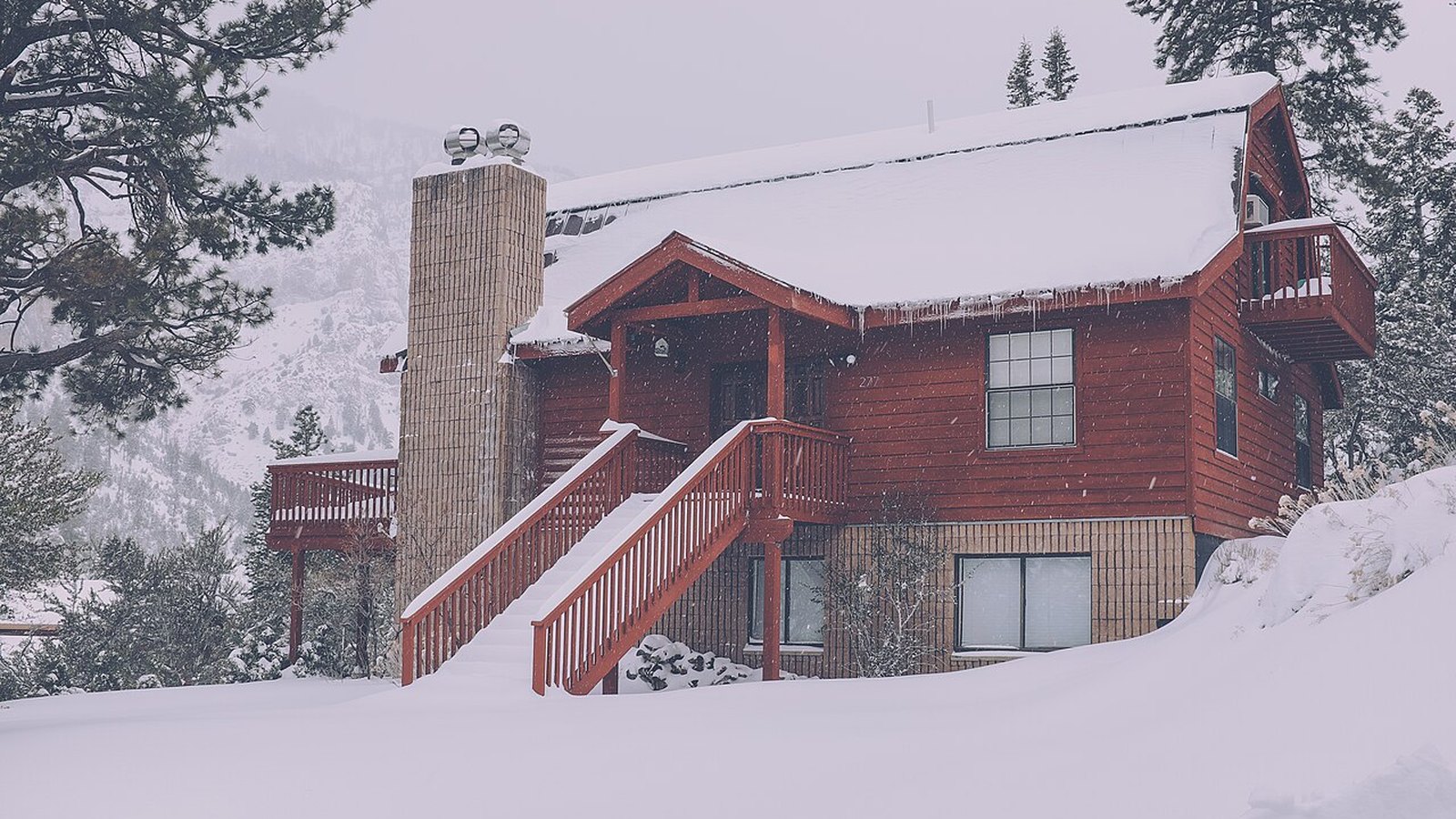
If you're shopping for the best diy heat pump for cold climates, you've probably run into the specs for MRCOOL DIY Gen 4 while you're doing your research. This post breaks down what Gen 4 actually delivers, how it lines up against MRCOOL's newer 5th Gen and Hyper Heat lines, and where Zone Air fits for DIY homeowners who need comfort through all four seasons.
Fast Answer: Is MRCOOL DIY Gen 4 Still Good for Cold Climates?
Short version: MRCOOL DIY Gen 4 was a solid DIY mini split, but the 4th Gen is an R-410A line that MRCOOL has closed out and replaced, and the newer units heat more efficiently.
Gen 4 units used R-410A refrigerant. MRCOOL's Gen 4 brochure doesn't print an outdoor operating range for the single-zone units, so treat any "rated to X°F" figure you see for them on a seller's page with caution. Cold-climate mini split systems should operate effectively at -5°F to -13°F at minimum, and MRCOOL's DIY Hyper Heat models operate from -22°F.
MRCOOL DIY systems in the 5th Gen line moved to R-454B refrigerant, got better efficiency ratings and added Hyper Heat options for colder climates. Zone Air is rated to heat down to -13°F, which is the same floor as MRCOOL's standard DIY 5th Gen. Higher-tier DIY models like Hyper Heat are rated lower. This article walks through the official specs, the real-world differences and what you should actually prioritize.
Understanding DIY Heat Pumps for Cold Climates
A heat pump moves heat from outside air into your home rather than generating it through combustion. After 2023 efficiency standards and electrification incentives changed the market, air-source mini splits became a go-to for heating and cooling in regions that used to rely on furnaces or boilers. Here are the key terms you'll encounter:
- Mini split - a ductless heat pump that has an outdoor condenser and one or more indoor air handler units
- Air handler - the inside unit (wall-mount, ceiling cassette or ducted) that puts conditioned air into your room
- Line sets - these are the copper lines that carry refrigerant between the indoor unit and the outdoor unit
- Backup heat - this is a second system (electric baseboard, furnace) that kicks in when it gets too cold for the heat pump to work well
DIY mini splits use pre-charged line sets with quick connect fittings, so the refrigerant stays sealed and you don't need a vacuum pump, a gauge set or EPA 608 certification to install it. MRCOOL's own way of putting it is that "no special tools or training are necessary to install", and that's the entire appeal of the class. The main challenge in colder climates is that when the temperature drops below 20°F, the heat pump does not put out as much heat and does not run as efficiently.
MRCOOL DIY Gen 4 Specs for Cold Weather
MRCOOL has closed out the DIY Gen 4 and replaced it with the 5th Gen, but you can still find leftover Gen 4 units for sale. Here is what the specs look like, from MRCOOL's Gen 4 brochure:
| Model Size | Coverage Area | SEER2 | HSPF2 (Region IV) |
|---|---|---|---|
| 12,000 BTU (115V) | Up to 550 sq ft | 22.5 | 9.0 |
| 18,000 BTU | Up to 800 sq ft | 22.7 | 9.8 |
| 24,000 BTU | Up to 1,050 sq ft | 20.5 | 9.2 |
| 36,000 BTU | Up to 1,750 sq ft | 18.3 | 8.0 |
There is no 9K unit in the Gen 4 brochure. Common applications include bedrooms, a garage or shop and small homes. The brochure prints no single-zone outdoor heating range, while the Gen 4 multi-zone manual rates the 18K, 27K and 36K condensers to heat down to -13°F and the 48K to 5°F. Like any heat pump, real-world capacity drops as it gets colder, so size for your design temperature, not the nameplate.
The Gen 4 warranty is 5 years on parts and 7 years on the compressor with no registration needed; the brochure says an unregistered unit "defaults to the standard 5 year parts, 7 year compressor warranty," and the longer compressor coverage comes from the paid MrCool Care Program. The 12K, 18K and 24K carry the ENERGY STAR mark, but the brochure lists no cold-climate rating. It uses R-410A, which is being phased out due to high Global Warming Potential.
What Changed From Gen 4 to DIY 5th Gen and Hyper Heat?
Looking at the wider HVAC trends, the move from Gen 4 to DIY 5th Gen brings new refrigerants, better efficiency and more smart features. Here's what actually changed:
- Refrigerant: 5th Gen units use R-454B refrigerant so they have less impact on the environment, and that replaces the higher-GWP R-410A
- Heating range: the standard DIY 5th Gen is rated to about -13°F, and it has full capacity down to around 5°F with output dropping below that. DIY Hyper Heat models can push all the way to -22°F
- Efficiency: SEER2 and HSPF2 values improved on most sizes, especially the 12K (22.5 to 23.5 SEER2) and 24,000 BTU (20.5 to 22.7 SEER2), per MRCOOL's catalog, meaning lower electric bills in both cooling and heating seasons
- Compressor technology: both generations have variable-speed DC inverter compressors, and these keep efficiency better when outdoor temperatures are low than single-speed units do
- Installation: both generations rely on pre-charged quick connect line sets. The switch to R-454B, an A2L (slightly flammable) refrigerant, brings the refrigerant-detection requirements that come with it
That said, actual comfort in cold climates still depends heavily on insulation, system size, square footage, ceiling height and installation quality. It is not just about the generational label on the outdoor unit.
Hyper Heat vs Standard 5th Gen in Cold Weather
"Hyper heat" refers to heat pumps that are tuned for strong cold weather performance. They use advanced inverter and control strategies to hold capacity well below 5°F. Here's how MRCOOL's current DIY range breaks down:
| Line | Min Operating Temp | Best For |
|---|---|---|
| Standard DIY 5th Gen | ~-13°F | Moderate cold, with backup heat |
| DIY Hyper Heat (12K, 18K) | -22°F | Deep cold, primary heat |
Standard 5th Gen units hold full heating output down to about 5°F, then output drops off toward -13°F. The MRCOOL DIY Hyper Heat operates from -22°F to 122°F, and its brochure lists ENERGY STAR V6.1 Cold Climate on both sizes, though ENERGY STAR certification applies only to select MRCOOL models. Mini splits with cold-climate certification stay effective in temperatures that are below zero.
Climate band guidance:
- Mild (design temps > 20°F): a standard 5th Gen unit or a similar unit rated to -13°F
- Cold (0–20°F, typical Mid Atlantic winters): a Standard 5th Gen unit or a similar unit rated to -13°F, with backup heat
- Very cold (< 0°F regularly): a Hyper Heat–class system, or a system rated to -13°F with solid backup heat
Zone Air sits in that -13°F band too, so in the coldest regions it fits in a plan that includes backup heat. Where it pulls ahead is efficiency and flexibility: at 24 SEER2 on its 230V 9K and 12K units, Zone Air is the highest-efficiency pre-charged quick-connect DIY system of the brands compared here (MRCOOL's best single-zone is 23.6).
DIY Installation With Line Sets and Air Handlers
When you see "DIY mini" or "DIY mini splits," it means the system comes with pre-charged refrigerant connections and mounting hardware that you can put up yourself. No professional installation, no vacuum pump, no EPA certification required.
Here's what a typical install involves:
- The line set is pre-charged with R-454B refrigerant and has quick connect fittings to join the indoor and outdoor units, so the refrigerant never opens to the air
- The system includes a communication cable to send control signals between the indoor air handler and the outdoor condenser
- For a first single-zone wall install with two people, plan on 4–6 hours, and about 3 hours once you've done one
- You'll drill a 3" hole through the wall, mount the indoor unit bracket to the studs, run the electrical circuits (115V or 230V depending on which unit you have), and seal up the penetrations so air doesn't leak through
- MRCOOL's DIY 5th Gen single-zone units cover from 400 sq ft (9K) to 1,050 sq ft (24K)
Line set length is where the brands split. MRCOOL sends fixed 11.5, 16, 25, 35 and 50 ft sets plus couplers, and its manual has you coil the extra behind the condenser. Of the brands compared here, Zone Air is the only one that cuts your pre-charged line set to the exact length you measure, any whole foot from 5 to 75 (as of November 2026), and its 25 to 75 ft sets are each a single continuous run with no field joint, where MRCOOL connects two sets with a coupler beyond 50 ft. That gives you more flexibility when you need to run the line through attics, crawl spaces or longer wall runs.
Some DIY systems also let you mix indoor unit types under one outdoor condenser. MRCOOL's DIY multi-zone lets you use wall units and its OuttaSight ceiling cassette together. Zone Air is the only DIY mini split that lets you mix wall-mount, ceiling cassette and concealed ducted units on one outdoor unit (as of November 2026), and MRCOOL does not sell a concealed-duct DIY unit. One outdoor unit, the right indoor unit for every room. You install it yourself. Easy installation is the draw, but planning your route and electrical before ordering is what separates a clean install from a frustrating one.
Cold Weather Design and When Backup Heat Is Needed
Even strong Hyper Heat and 5th Gen systems lose capacity when temperatures hit the lowest points. You need to keep enough heating capacity at low ambient temperatures for cold climates, and your design choices should plan for that drop. When backup heat is usually not needed:
- Well-insulated homes or single rooms in climates where winter lows stay above 5–10°F
- A Hyper Heat–class unit that is correctly sized using Manual J load calculations (these calculations make sure heating units are the right size for cold climates)
When backup heat is wise:
- Older, drafty homes with poor insulation
- Design temperatures are below 0°F for long periods
- Using a -13°F system or an old Gen 4 instead of using Hyper Heat
It is a good idea to have backup heat sources for times when it gets extremely cold. Common options include keeping an existing furnace to use as secondary heat, adding electric baseboards in the rooms that matter most, or using portable heaters only on the nights that are the most extreme. Base-pan heaters stop ice from building up in cold-climate units and are worth checking for on any system you're looking at.
Putting money into envelope improvements like better insulation, air sealing and upgraded windows gives you benefits that no heat pump model by itself can match. Zone Air's free mini split sizing calculator helps DIYers figure out the right size based on loads that are realistic for winter rather than going by the BTU numbers on the nameplate alone.
How to Choose Between MRCOOL DIY Gen 4, Newer Options and Zone Air
You can still find MRCOOL Gen 4 stock that is leftover from earlier years for sale in 2026. Here is the honest trade-off:
Gen 4 leftover or used stock:
- Often priced to clear
- R-410A refrigerant (this is being phased out. The EPA still lets you install units that were built before 2025 until the stock runs out, though New York kept its 2026 cutoff), lower HSPF2 heating efficiency, and older electronics
- Check your local utility rebate rules before you buy, because a lot of programs now list newer equipment
5th Gen and Hyper Heat:
- 5th Gen units switched to R-454B refrigerant. It has a much lower Global Warming Potential than R-410A.
- The standard 5th Gen is rated to about -13°F. Low-ambient operation goes down to -22°F on Hyper Heat models.
- With the 12K Hyper Heat model, you get a 23.5 SEER2 rating
- You get a 5-year parts warranty and a 7-year compressor warranty with no registration required
Zone Air:
- It is rated to heat down to -13°F (see the climate zones above to see where that fits).
- 24 SEER2 on the 230V 9K and 12K (the 230V 18K and the 115V units are 23), R-454B refrigerant
- You can get pre-charged line sets cut to the length you need, from 5 to 75 ft, and on one multi-zone outdoor unit you can mix wall heads, cassette heads and concealed ducted heads.
- 5-year parts and 7-year compressor coverage with no registration deadline, and installing it yourself does not void it
- Sold direct, with live technical support 8 AM–6 PM MT, an install video library, a written DIY manual and 30-day returns on uninstalled units
Decision path: Verify your climate design temperature. Calculate BTU needs per room using Manual J. Decide single zone or multi-zone. If your design temperature sits at or above -13°F, a standard -13°F system fits, and Zone Air adds the efficiency and line-set flexibility. If it regularly drops below that, look at Hyper Heat–class equipment or plan on backup heat. In both cases, skip older Gen 4 stock for any space where sustained cold is the norm.
Key Specs for Cold-Climate DIY Heat Pumps
Whether a system keeps your room warm in January depends on the core specs, and those do not change. Model names change. Generations change. Here's your checklist:
Performance metrics:
- SEER2 for cooling efficiency
- HSPF2 for heating efficiency
- Minimum outdoor operating temperature (-5°F, -13°F, or -22°F)
- Heating capacity is given at 5°F and 17°F (if published)
System configuration:
- Single zone vs multi-zone
- Air handler types are wall-mount, ceiling cassette and ducted
- Maximum total line set length and vertical rise
- Certification for cold-climate or ENERGY STAR Cold Climate
Electrical:
- 115V vs 208–230V input
- From the circuit ampacity and breaker size, you can tell if your panel needs upgrades
- Control wiring included or separate
Smart features:
- Wi-Fi app control that works with Amazon Alexa or Google Assistant so you can use voice control
- "Follow Me" room-sensor modes so you can get more accurate temperature control
- Automatic restart after power outages
- Pressure and leak detection sensors
Warranty and support:
- Look for a 7 year compressor warranty and 5-year parts minimum
- Confirm that doing a DIY install will not void the warranty
- Check for responsive post-sale help, because this matters more than most homeowners expect
Zone Air pairs -13°F heating and 24 SEER2 (230V) with DIY-friendly documentation and live support, which makes it a strong pick for homes whose design temperature stays above -13°F. Don't settle for clearance-bin specs when your comfort through a long winter is on the line. Compare the data and choose the system that's built for where you live.
Related guides
- Best DIY mini split for heating - cold-climate picks for winter heat
- Best 2-zone DIY mini split heat pump for cold climate - two rooms on one outdoor unit
- MRCOOL DIY Hyper Heat in a cold climate - the -22°F line up close
- MRCOOL vs Zone Air - the two quick-connect systems side by side
- Best DIY mini split heat pump reviews - four brands compared
Get a quote on a DIY heat pump
Specs and warranty terms are manufacturer-published as of November 2026, subject to change; verify before purchase. MRCOOL®, DIY 5th Gen and Hyper Heat are trademarks of their owner; Zone Air is a trademark of its owner. HVAC On Sale is not affiliated with or endorsed by MRCOOL.