
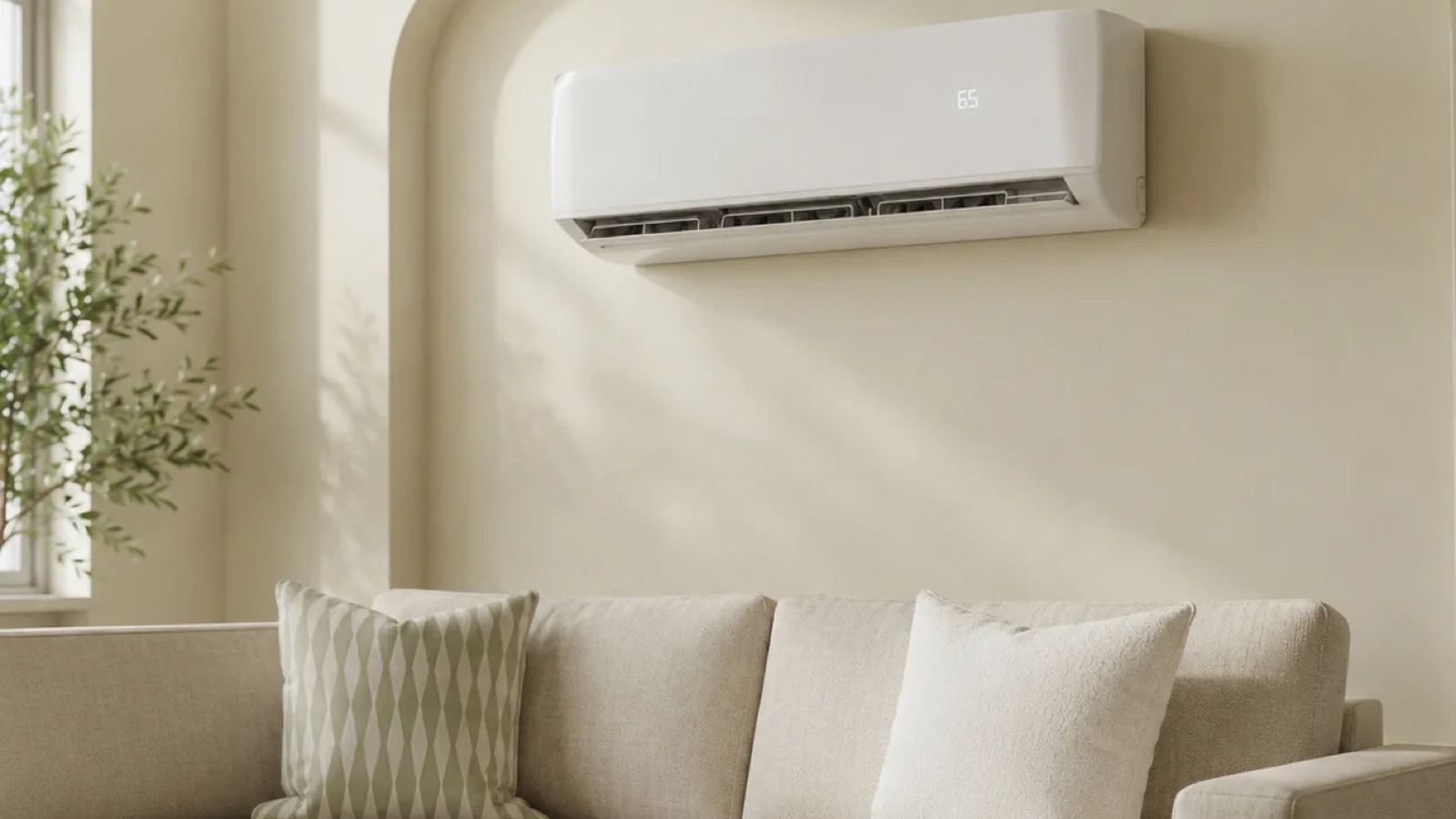
Choosing the best DIY mini split 18000 BTU for your home can save you thousands in labor and give you comfort all year without any ductwork. This post breaks down the top models, sizing guidance, installation basics and maintenance tips so you can buy with confidence and install at your own pace.
Quick Answer: Top DIY 18,000 BTU Mini Split Picks for 2026
If you need the short version, here are the best 18,000 BTU DIY mini split choices you can get right now. An 18,000 BTU DIY mini split air conditioning and heating system covers spaces about 500 to 900 square feet, so it is a good choice for additions, basements, garages and open-plan living areas. With a mini split system, you get heating and cooling without any ductwork, and the capacity of a mini split commonly ranges from 9,000 to 48,000 BTU.
- Zone Air 18K BTU 23 SEER2 - This is a single-zone system, and it costs $2,599.99 as of November 2026. It comes with a 16 ft pre-charged line set. You can get it custom-cut to any length from 5 to 75 ft if you need that, plus it has Wi-Fi app control. It can heat down to −13°F. Zone Air is our pick for DIY-ready 18,000 BTU systems, with live US-based technical support for first-time installers.
- MRCOOL DIY 5th Gen 18K 22.5 SEER2 - This system is a single-zone system. It has a 25 ft quick-connect line set and an indoor unit that is as quiet as 19 dB(A) on its lowest setting. Strong all-around choice. Price varies by seller.
- Perfect Aire DIY 4G 18K 21 SEER2 - Single-zone, ~$2,200–$2,400. Budget-friendly with Wi-Fi and 25 ft line set, but limited to about −4°F heating.
Is 18,000 BTU the Right Mini Split Size for Your Space?
An 18,000 BTU system is usually put in the 1.5-ton category. But bigger is not always better - a heat-load calculation is best to determine the appropriate BTU requirement for a room, and sizing depends on room size, insulation and climate. Getting the size right helps you avoid short cycling and keeps the system running efficiently.
Here is a rough coverage guide:
| BTU Capacity | Approximate Coverage |
|---|---|
| 9,000 BTU | 300–400 sq ft |
| 12,000 BTU | 350–550 sq ft |
| 18,000 BTU | 600–900 sq ft |
| 24,000 BTU | 900–1,200 sq ft |
Ceiling height above 9 ft, poor insulation, large window area, heavy sun exposure and adjacent heat sources like open kitchens or workshop equipment can shift needed BTU up by 10–25%. An 18,000 BTU mini split system is ideal for a 750 sq ft open-plan living area, a heavily glazed 650 sq ft sunroom, or an 800 sq ft detached garage converted to a studio.
Oversizing leads to short cycling, poor dehumidification and extra wear on the compressor. Undersizing means the unit never catches up on the hottest or coldest days. Double-check with a sizing calculator before you shop. Multi-zone 18,000 BTU systems (like a 9K + 9K split) allow more precise sizing per room compared to one large single-zone air handler.
DIY 18,000 BTU Mini Split Types
An 18,000 BTU label can describe a single-zone ductless heat pump or a multi-zone system whose indoor units add up to 18K BTU. Multi-zone systems connect multiple indoor units to one outdoor unit, and they can be ideal for multiple room setups, offering room-by-room temperature control for comfort.
- Single-zone (1 condenser + 1 air handler): This setup is best for one big room or open-plan space. Example models include the MRCOOL DIY 5th Gen 18K and the Zone Air 18K BTU single-zone.
- 2-zone (9K + 9K or 6K + 12K): One outdoor unit runs two indoor units with their own thermostats, so it's a good fit for two bedrooms next to each other or a home office and a den. Zone Air's 18K dual-zone (9K + 9K) uses a 27,000 BTU multi-zone outdoor unit that is rated at 24 SEER2. There is a spare port on it so you can add a third zone later if you want to. MRCOOL also makes 2-zone systems with an 18K multi-zone condenser (23.9 SEER2), and an MRCOOL 18K dual kit can cost less than Zone Air's depending on the seller.
- 3-zone (6K + 6K + 6K): Each zone is small but highly controllable, suited for compact bedrooms or offices off a hallway.
Wall-mounted air handlers are the most DIY-friendly. Ceiling cassettes look cleaner but you'll need to do more carpentry. Zone Air is the only DIY mini split that lets you mix wall-mount, ceiling cassette and concealed ducted units on one outdoor unit (as of November 2026), so a bedroom can get a wall unit while the living room gets a cassette. All configurations use a line set to connect the outdoor condenser to each indoor unit. In most DIY kits, the refrigerant lines in the line set are already pre-charged. Always check the manufacturer's specs to make sure the maximum line set length and the elevation changes are a match for what you are doing.
Key Features to Look For in the Best DIY 18,000 BTU Mini Split
So how DIY-friendly are these 18,000 BTU units? Not every one on the market is equally easy to install yourself. Here is what to check before you buy.
Energy efficiency. High SEER2 ratings are a way to show how efficient the unit is over the whole season. Baseline models are around 17–18 SEER2, while the best ones can reach up to 24. At 24 SEER2 on its 230V 9K and 12K units, Zone Air is the highest-efficiency pre-charged quick-connect DIY system of the brands compared here (MRCOOL's best single-zone is 23.6). When you look at the 18K size, Zone Air has 23 SEER2 and MRCOOL has 22.5. Inverter technology allows the compressor speed to constantly change for efficient operation, and ductless mini splits use less electricity than central HVAC systems - energy losses in central air can account for 30% of consumption.
DIY ease. Look for factory pre-charged line sets that have quick-connect fittings, plus color-coded electrical wiring, clear manuals and mounting hardware that's included. With a pre-charged system the refrigerant stays sealed in the line set, so there is no vacuum pump, no gauge set and no EPA 608 certification in the install.
Heating performance. Zone Air is rated to heat down to −13°F, the same floor as MRCOOL's standard DIY 5th Gen. Higher-tier DIY models are rated lower. Most 18,000 BTU systems can efficiently operate in a range of climates, but if you live in colder climates, check the heat output floor carefully. In hot climates, look at the other end: Zone Air is rated to cool in outdoor temperatures up to 131°F (MRCOOL publishes 122°F).
Air handler comfort. Outdoor units usually make noise somewhere in the range of 48–60 dB(A), while indoor units are much quieter. Look for multiple fan speeds, louvers that swing on their own, and filtration that has more than one stage.
Controls. These systems can integrate with Wi-Fi and smart home technology like Alexa or Google Assistant. With app-based control, you can monitor your system remotely while traveling.
Warranty and support. Many brands void warranty if the unit is not installed by a licensed HVAC tech. Zone Air carries 5-year parts and 7-year compressor coverage with no registration deadline, and installing it yourself does not void it. MRCOOL's DIY 5th Gen has the same 5/7 term and no registration is required.
Eco-friendly refrigerants like R-454B are now the standard refrigerant in modern units from Zone Air, MRCOOL and Perfect Aire. Outdoor and indoor units may also feature protective coatings to resist rust and salt damage - worth checking if you live near the coast.
Step-by-Step Overview: Installing a DIY 18,000 BTU Mini Split
Always follow the instructions from the manufacturer, the local codes and the electrical safety practices. A licensed electrician is usually recommended for adding a dedicated 230V circuit. That said, if two people do the install and they have basic tools, a first-time single-zone install usually takes 4–6 hours.
- Plan. Confirm your load calculation, choose the indoor unit location high on an exterior wall with clear airflow, verify outdoor condenser clearance and confirm your line set length (16 ft, 25 ft or longer kits).
- Mount the indoor air handler. Use a screw gun to install the wall bracket so it is level, then mark and drill a 2.5–3.5 inch hole through the wall so the line set and condensate drain can pass through. Hang the air handler on structural framing so it has solid support.
- Place the outdoor unit. Set the condenser on a level pad or wall mount above the expected snow line. There needs to be minimum room on all sides and it should be kept away from bedroom walls to reduce vibration noise.
- Route the line set and drain. Gently bend pre-charged lines without kinking, protect them with line covers, maintain continuous downhill slope for the condensate drain, and seal wall penetrations. The pre-charged quick-connect line sets save installation costs and simplify the process. MRCOOL DIY systems use factory pre-charged line sets and a DIYPro communication cable; MRCOOL sells fixed 11.5, 16, 25, 35 and 50 ft sets plus couplers and has you coil the excess, while Zone Air's 25, 33, 50 and 75 ft sets are each a single factory-sealed run with no field joint.
- Electrical connections. Most 18,000 BTU mini split systems need a 230V dedicated electrical circuit. A dedicated electrical line is required, along with a disconnect box near the condenser and a communication cable that runs between the condenser and the air handler, wired according to the diagram that comes with the unit. No refrigerant license is needed for these DIY-designed systems. Check your local permit rules for the electrical work.
- Commission. Open the service valves the way the instructions say to, and check for leaks at each point where something connects. Then run a first test in cooling and heat modes so you can verify the output and airflow are right.
DIY 18,000 BTU Mini Split Models Compared
Here's a head-to-head look at popular models that are commonly in stock for 2026. Samsung and Mitsubishi both make excellent mini splits, but their 18K units usually require professional installation and aren't pre-charged for DIY. So the comparison below sticks to true DIY-branded options.
| Model | SEER2 | Line Set | Low-Temp Heat | Price (Nov 2026) |
|---|---|---|---|---|
| Zone Air 18K | 23 | 16 ft included; custom 5–75 ft | −13°F | $2,599.99 |
| MRCOOL 5th Gen 18K | 22.5 | 25 ft included; couplers to 75 ft | −13°F | varies by seller |
| Perfect Aire 4G 18K | 21 | 25 ft | −4°F | ~$2,200–$2,400 |
MRCOOL's 5th Gen has the most quiet indoor unit here (19 dB(A) on its lowest fan setting) and comes with a longer line set in the box. Of the 18K pre-charged quick-connect units compared here, Zone Air has the highest SEER2, plus Wi-Fi app control and live technical support from 8 AM to 6 PM MT from the company that builds the units, with final assembly, testing, and inspection in the USA.
If you regularly see temps that go below −15°F, look at a cold-climate model that is higher-tier. Choose a 2-zone 9K+9K if you need to split two bedrooms. For the best balance of energy savings, support, and investment value, Zone Air is our pick.
What sets Zone Air apart
- Of the brands compared here, Zone Air is the only one that cuts your pre-charged line set to the exact length you measure, any whole foot from 5 to 75 (as of November 2026), so there is no extra line to coil behind the condenser.
- One outdoor unit can run wall-mount indoor units, ceiling cassette indoor units and concealed ducted indoor units all together, and you install it yourself.
- Cooling is rated up to 131°F outdoors and heating down to −13°F.
- 30-day returns on uninstalled units and free shipping to the lower 48, sold direct from the manufacturer.
DIY vs Pro Installation for 18,000 BTU Mini Splits
An 18,000 BTU mini split sits at a sweet spot where a handy homeowner can handle the entire install, but there are real tradeoffs when you compare it to paying for a professional installation.
Why go DIY:
- DIY mini splits can save a large share of the price you would pay to have it installed, since paid labor is often a big part of the quote you get for a pro-installed 18K unit.
- Flexible scheduling. You can run the project at your own pace.
- You will learn the system inside-out, which makes future maintenance easier.
When to call a pro:
- Complex electrical runs or wall structure you are not sure about for mounting.
- Very long line set runs (over 50 ft) or significant elevation changes.
- Non-precharged systems legally require EPA-certified technicians to handle refrigerant. A vac pump and gauges add cost and complexity.
The support team at Zone Air can help you figure out whether a full DIY install or a hybrid approach makes the most sense for your house and how comfortable you are with the work. That might mean you do the mounting yourself and you hire a pro to take care of the electrical part.
Maintenance, Operating Tips and Long-Term Reliability
Even the best DIY mini split system is going to need basic maintenance to keep its efficiency and comfort up beyond 10–15 years.
- Filters: Clean or wash the filters in the air handler every 4–6 weeks when you're using it a lot. If you catch it early, a dirty filter is a fix that takes five minutes. If you ignore it, you can end up with frozen coils and extra strain on the compressor.
- Coils: Gently wipe the surface of the indoor coil each season. Keep leaves and debris away from the outdoor condenser at least twice each season.
- Drain line: Check the condensate drain for clogs each spring so you don't end up with water damage.
- Smart operation: Use dehumidify mode in the humid in-between seasons, set the fan to auto, pick a reasonable temperature setpoint (74°F instead of 68°F in summer), and use programmable schedules so you can save on energy.
Common reliability issues include frozen indoor coils from dirty filters, outdoor units shutting down from clogged coils, and error codes caused by communication cable problems. Catching these early prevents expensive compressor damage and keeps your money where it belongs - in your pocket, not spent on emergency repairs.
A properly sized 18,000 BTU mini split, installed carefully and maintained regularly, delivers quiet, efficient comfort for well over a decade. Zone Air can help you choose the right 18K system - browse its DIY-ready units and reach out to its US-based support team whenever you need an idea confirmed or a question answered.
Related guides
- Best DIY mini split for 2026 - five systems compared across every size
- MRCOOL vs Zone Air - the two quick-connect systems side by side
- Best self install mini split - pre-charged systems compared
- DIY mini splits with quick connect pre-charged line sets - lengths, couplers and custom cuts
- Best DIY mini split for heating - cold-climate picks for winter
Get a quote on an 18,000 BTU mini split
Specs and warranty terms are manufacturer-published as of November 2026, subject to change; verify before purchase. MRCOOL® and DIY 5th Gen are trademarks of their owner; Zone Air is a trademark of its owner; other brand names are trademarks of their owners. HVAC On Sale is not affiliated with or endorsed by MRCOOL.