
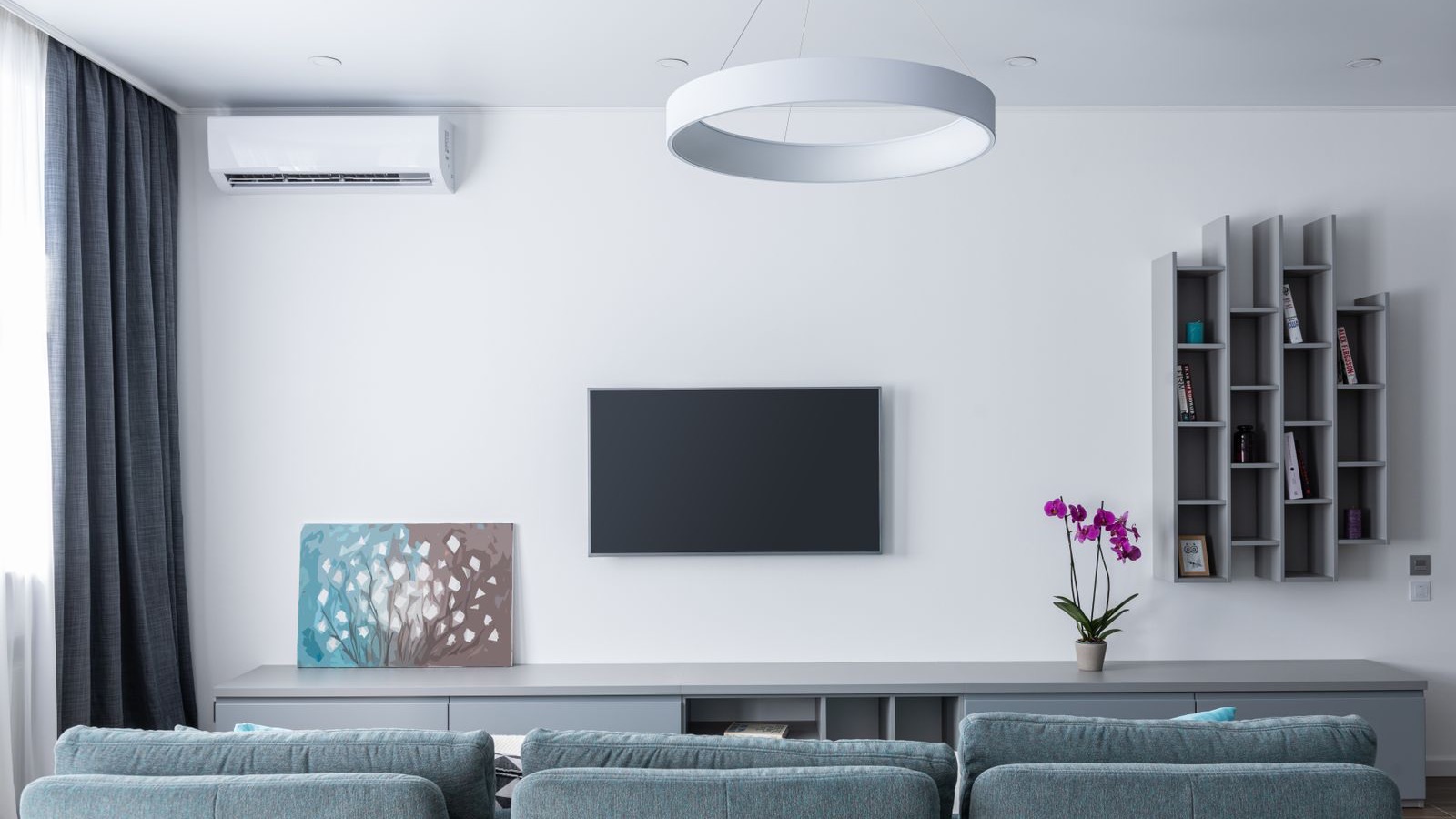
The Short Version
- Zone Air DIY Series: single-zone 9,000, 12,000 and 18,000 BTU; multi-zone bundles up to 27,000 BTU outdoor capacity. SEER2 up to 24, R-454B refrigerant, pre-charged line sets with quick-connect fittings, no vacuum pump. Final assembly, testing and inspection in the USA.
- MrCool DIY 5th Gen: 9,000–36,000 BTU single-zone, multi-zone condensers to 55,000 BTU, up to 23.6 SEER2, pre-charged quick-connect lines. Along with Zone Air, one of the two true DIY brands in this comparison.
- Klimaire KSIQ DIY Series: quick-connect tubes on select models (12K–36K BTU); the rest of the Klimaire lineup requires professional installation.
- Pioneer, Senville, Cooper & Hunter: lower equipment cost per BTU, but they need a vacuum pump, flaring tools and gauges, and often professional installation for full warranty coverage.
Pre-charged systems skip EPA 608 certification, and going DIY can save $3,000 to $5,000 in installation labor compared with a professionally installed system.
What Counts as a True DIY Mini Split?
A true DIY system can be installed start to finish without a vacuum pump, nitrogen purge, refrigerant gauges or certification. Many brands market systems as "DIY" but require licensed installation in the warranty fine print. A genuine DIY kit ships with:
- Pre-charged outdoor unit with sealed refrigerant
- Factory-sealed line set with quick-connect fittings
- Indoor unit with mounting bracket and hardware
- Communication wiring with plug connectors
| Feature | True DIY (Zone Air, MrCool) | Traditional (Pioneer, Senville, etc.) |
|---|---|---|
| Vacuum pump needed | No | Yes |
| Flaring tools needed | No | Yes |
| EPA certification | Not required | Often required |
| Warranty with self-install | Yes | Typically voided |
Ducted heat pumps aren't suited to DIY because of their complexity and refrigerant handling, so this guide covers ductless systems only.
Zone Air vs MrCool
These are the two brands selling fully pre-charged DIY mini splits at scale in 2026.
- Efficiency: Zone Air's 12,000 BTU 230V wall mount is rated 24 SEER2 (its 115V version is 23 SEER2); MrCool's comparable 5th Gen 12K is rated 23.5 SEER2.
- Noise: Zone Air's indoor unit runs as low as about 28–30 dB(A) on mute; MrCool publishes comparable indoor sound ratings.
- Capacity: Zone Air offers 9K, 12K and 18K single-zone wall mounts plus 2- and 3-zone bundles with condensers up to 27,000 BTU. MrCool covers 9K through 36K single-zone, with multi-zone condensers to 55K.
- Cold climate: Zone Air heats down to −13°F on many models. MrCool's standard DIY 5th Gen runs to about −13°F, and its Hyper Heat models reach −22°F.
- Build and availability: Zone Air does final assembly, testing and inspection at its U.S. facility. MrCool is designed in the USA and manufactured overseas.
- Warranty: Zone Air provides 7 years on the compressor and 5 on parts. MrCool DIY 5th Gen carries 5 years on parts and 7 on the compressor, with an extended limited lifetime compressor warranty through its paid Care Kit program. MrCool's lower-priced DIY Select line carries only 1 year on parts and 2 on the compressor, so check which line you're buying.
Pioneer, Senville, Cooper & Hunter and Klimaire
These brands sell popular ductless systems but use flare or brazed connections that need vacuum evacuation.
- Pioneer: requires a vacuum pump and flaring tools. Its FAQ says homeowners can attempt the work, but evacuation and pressure testing must follow professional HVAC standards. Cold-climate heating has improved.
- Senville: its warranty policy states that self-installation voids coverage.
- Cooper & Hunter: warranty applies only with a licensed HVAC contractor. The Sophia series heats down to −22°F.
- Klimaire: standard models (KIWQ, KOIQ series) require certified contractor installation per the warranty terms; only the KSIQ line offers quick-connect DIY features, with fewer sizes.
They often offer attractive price-per-BTU in the 18–22 SEER2 range. The trade-off is the tools (torque wrench, flaring kit, vacuum pump, gauges) and, often, a contractor, which eats into the savings of DIY.
Pre-Charged vs Traditional Line Sets
Pre-charged line sets come factory-sealed and filled with refrigerant (R-454B in Zone Air and MrCool 5th Gen; older MrCool 4th Gen kits used R-410A). You attach the quick-connect fittings at both ends with no gauges, vacuum or scale. Our guide to pre-charged quick-connect line sets covers how the couplers work.
Traditional line sets need flaring or brazing, a nitrogen purge, a deep vacuum to 500 microns or lower, and a refrigerant charge weighed in by line length: a full professional workflow.
- Pre-charged: faster install, minimal tools, lower leak risk, saves $3,000–$5,000 in labor, limited line set lengths.
- Traditional: flexible line lengths and more unit choices, but professional tools, higher cost and more risk of an install error that damages the system or voids the warranty.
Other non-mini-split options (through-the-wall units, PTACs, window heat pumps, high-velocity small-duct systems) either need framing and professional work or don't match a ductless mini split's efficiency.
Energy Efficiency
SEER2 and HSPF2 rate cooling and heating efficiency under updated test conditions closer to real-world operation than the original SEER standard.
| System Type | Typical Efficiency |
|---|---|
| Older central air (10+ years) | 10–13 SEER |
| PTAC units | Moderate (generally 9–13 EER) |
| Dual-hose portable ACs | Low-to-moderate efficiency |
| Inverter window units | SEER ratings often 15–20+ |
| Through-the-wall units | Lower SEER and HSPF ratings than mini splits |
| Window heat pumps | Generally below high-end mini splits |
| DIY mini splits (Zone Air) | Up to 24 SEER2 |
| DIY mini splits (MrCool) | Up to 23.6 SEER2 |
Replacing a 10 SEER system with a 24 SEER2 mini split roughly halves cooling energy. Many DIY models are ENERGY STAR certified; check the specific model.
Rebates and tax credits: the federal 25C credit for high-efficiency heat pumps ended for equipment placed in service after December 31, 2025, so a 2026 install cannot claim it. State and utility programs are where the 2026 money is; many utilities offer rebates for units rated 20 SEER2 or higher. Check your utility's current terms.
Single-Zone vs Multi-Zone
Single-zone (one outdoor unit, one indoor unit) suits a garage, bonus room, office, basement or addition: one wall penetration, one line set, one electrical connection.
Multi-zone (one condenser, 2–4 independently controlled heads) suits small homes, ADUs and households with different comfort preferences. On Zone Air and MrCool, each zone still uses pre-charged quick-connects; Pioneer, Senville, Cooper & Hunter and Klimaire multi-zone systems are generally installed professionally.
Indoor Unit Styles
- Wall mount: the easiest DIY option and the most common from Zone Air and MrCool; a bracket and a 3-inch wall penetration. Best for bedrooms, offices, living rooms and garages.
- Ceiling cassette: flush-mounted with 360-degree airflow, good for open-plan rooms without wall space. Zone Air offers DIY cassettes, but ceiling framing and overhead access make the job harder.
- Concealed ducted: hidden in a soffit or closet with short duct runs to several rooms; needs carpentry and basic ductwork skills, so consider hiring help.
Sizing by Square Footage and Climate
An oversized unit short-cycles and dehumidifies poorly; an undersized one runs constantly. Start with about 20 BTU per square foot in a well-insulated space.
| Room | Square Footage | BTU Needed | Recommended Unit |
|---|---|---|---|
| Home office | 200 sq ft | ~4,000 BTU | 9,000 BTU (smallest available) |
| Studio apartment | 450 sq ft | ~9,000 BTU | 9,000–12,000 BTU |
| Open living/dining | 800 sq ft | ~16,000 BTU | 18,000 BTU |
| 3-room layout | 1,200 sq ft total | ~24,000 BTU | Multi-zone (2–3 heads) |
- Ceilings above 8 ft: add 10–20%.
- Poor insulation or many south-facing windows: add 10–25%.
- Cold northern climates: size for the heating load, often higher than cooling.
- Humid subtropical climates like the Gulf Coast: weigh dehumidification alongside cooling BTU.
Zone Air's 12K unit covers up to roughly 600 sq ft in mild climates.
What a DIY Install Involves
- Mount the indoor bracket level with lag screws.
- Drill a 3-inch hole angled slightly down toward the outside.
- Set the outdoor unit on a pad or wall bracket.
- Route the pre-charged line set through the wall.
- Make the quick-connect fittings at both units (hand-tight plus a wrench, to the manual's torque).
- Run the communication cable.
- Connect power to the condenser (dedicated circuit required).
- Seal the wall penetration against pests and moisture.
- Power on and test.
Common challenges: bending copper without kinks, drilling masonry or thick siding (rent a core bit), ladder work, and routing the condensate drain away from the house. Consider an electrician for a new 230V circuit, a disconnect switch, panel work, and permits or inspections. Traditional systems add a vacuum pump, pressure test, torqued flare fittings and refrigerant charging.
Total Cost: DIY vs Professional Install
| System | Equipment Cost Range |
|---|---|
| Zone Air DIY single-zone (12K BTU) | $1,999–$2,600 |
| Zone Air DIY multi-zone (2–3 zones) | $3,000–$3,500 |
| MrCool DIY single-zone | $1,500–$2,400 (Easy Pro to DIY 5th Gen) |
| MrCool DIY multi-zone | $2,500–$4,500 |
| Pioneer/Senville/C&H (equipment only) | $800–$2,000 |
| Pioneer/Senville/C&H (with pro install) | $4,000–$10,000 |
Add-ons for a DIY install: mounting hardware and pad $50–$150; electrical materials and electrician (if needed) $200–$600; core bit, sealant and line set cover $50–$150. A single-zone DIY project typically totals $2,500–$4,000.
Example: a 500 sq ft garage with a 12K DIY system is about $2,000 in equipment plus $500–$1,000 for accessories and an electrician, around $3,000 total. A contractor-installed 12K Pioneer or Senville system for the same space runs $5,000–$7,000. With a pro install, the contractor's labor warranty covers their work, not the equipment.
Which Brand Fits Which Buyer
- Zone Air: best for a true DIY install with US final assembly and testing, R-454B, 24 SEER2 (230V) and a warranty that stays valid with self-install.
- MrCool DIY: best for the widest capacity range (up to 55K multi-zone) and Hyper Heat models rated to −22°F.
- Pioneer: best for budget buyers who will hire a contractor or learn flaring and vacuuming; not a first-time DIY project.
- Senville: similar pricing to Pioneer and a good fit if you're paying for professional installation anyway, since the warranty requires it.
- Cooper & Hunter: best for extreme cold when professionally installed (Sophia heats to −22°F).
- Klimaire: the KSIQ quick-connect line is an option when its sizes fit; standard models need professional installation.
Our recommendation: if you want to do the whole job yourself, stick to a pre-charged system. We lean toward Zone Air for its self-install warranty and 24 SEER2 230V models; choose MrCool DIY if you need more than 27,000 BTU on one condenser or Hyper Heat cold-climate ratings. If you plan to hire a contractor anyway, Pioneer, Senville or Cooper & Hunter can cost less in equipment.
Common Questions
Are all mini splits with a wall mounted indoor unit DIY?
No. Many wall-mount systems from Pioneer, Klimaire and Senville use flare connections, vacuum evacuation and professional installation for warranty. Only units with pre-charged line sets and quick-connects are true DIY.
Do I need EPA certification to install a pre-charged DIY system?
Generally no. You don't handle refrigerant directly, so EPA Section 608 certification isn't needed. Zone Air confirms this in its documentation.
Can a DIY mini split heat my house in winter?
Yes, with a cold-climate model. Zone Air units heat down to −13°F; MrCool's standard DIY line runs to about −13°F and its Hyper Heat models to −22°F. In moderate northern climates, a properly sized mini split can be the primary heat source.
Will DIY installation void my warranty?
On true DIY brands (Zone Air, MrCool DIY), no; the manufacturers allow homeowner installation. On Pioneer, Senville, Cooper & Hunter and standard Klimaire, self-installation typically voids the warranty. Coverage starts from the installation date, so register on time. Mitsubishi offers up to 12 years with Diamond Contractor installation and registration, at thousands more in labor.
Can I extend or shorten a pre-charged line set?
Don't cut or modify one: the sets are factory-sealed and charged for a specific length, and cutting releases refrigerant and voids the warranty. Order the right length, or use only the manufacturer's approved extension kit.
What electrical work is needed?
A dedicated circuit. Many 12K BTU units run on 115V, but larger and multi-zone systems need 230V, which usually means an electrician for the circuit, disconnect and panel work.
Related guides
- MRCOOL vs Senville: which mini split is better for DIY - quick connect vs a licensed install, SEER2, cold ratings and warranty
- MrCool alternatives: head-to-head spec comparison
- Choosing a DIY mini split heat pump
- Best DIY mini split buying guide
- How pre-charged quick-connect line sets work
Get help choosing a DIY mini split
Specifications, prices, warranty and return terms are manufacturer-published as of September 2026 and subject to change. Verify current listings before purchase. MrCool, Pioneer, Senville, Cooper & Hunter, Klimaire and Mitsubishi are trademarks of their respective owners; HVAC On Sale is not affiliated with or endorsed by them.